













Standard rose in Xi'an: where the stems grow and how to choose them
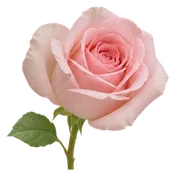
A standard rose in Xi'an carries one bud on a single straight stem, and the names on this shelf already say where that stem grew: 101 Dutch Roses, 11 Kenyan French Roses. Origin, variety and the way the flowers are wrapped decide which bunch suits a particular gift.
Dutch, Kenyan or Ecuadorian: where a standard rose comes from
Roses grown in Ecuador come from farms high in the Andes, at around 2,800–3,000 metres. So close to the equator the day runs almost exactly twelve hours all year, and the plants respond with some of the longest stems in the trade, from about seventy centimetres to a metre and more.
Kenyan roses grow lower, on farms around Lake Naivasha at roughly 1,880 metres, and their stems are usually shorter than those of Ecuadorian roses. Dutch roses take a different route: they are grown under glass and are known for the classic, familiar varieties rather than for extra height. 101 Dutch Roses and 11 Kenyan French Roses name their growing country outright, so you can choose by origin as well as by variety.

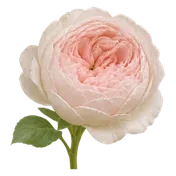
Jumilia is named for its size: the bloom is large, up to seven centimetres across, pale at the base and edged in pink. You will find it in 51 Jumilia in Airy Wrapping. 51 Opal Roses is another variety worth choosing by name.
"French" is not a variety but a florist's technique: the outer petals of an ordinary rose are turned back by hand until the bloom looks fuller and more open, as in 15 Red French Roses. Colour carries old associations rather than a fixed meaning. Victorian flower dictionaries read red as passionate love and white as purity, though no single agreed list survives. Red dominates this shelf, in Elegance and Madame Red, while red and white sit together in 39 Red and White Roses in a Hatbox.
Wrapping, box or hatbox, and how long the roses last
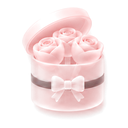
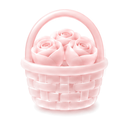
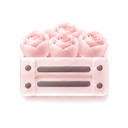
Wrapping, flower box, hatbox and flower handbag are simply different ways of presenting the same stems. A flower box needs no vase of its own, since the roses sit in soaked foam inside it.
In a vase, a standard rose typically lasts about a week, sometimes closer to ten days, and Jumilia can hold for up to two weeks with attentive care. That care is simple: cut the stem at an angle with a sharp knife and strip off any leaves that would sit below the waterline. Refresh the water every day or two, and keep the vase away from radiators, direct sun and a bowl of ripe fruit. Each bunch is put together to order, and a photo goes to the sender before the courier sets off; most orders reach the recipient the same day, and the exact timing for any bouquet shows on its own page.
Before deciding on a standard rose in Xi'an, look through the named varieties and stem lengths in the roses section. A box that needs no vase sits among flowers in boxes, and roses paired with fruit are in the strawberry bouquets. Zones, timing and how an order is placed are all on the delivery page.


