










Roses by colour in Chongqing: from classic red to coffee, coral and gold
Roses by colour in Chongqing almost always start with red, but the palette in this section runs on from red and white to coffee, gold and turquoise. The first choice is usually the shade, and only then the stem count and the shape of the bouquet.
Red, white and pink: where most rose orders start
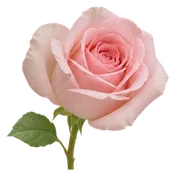
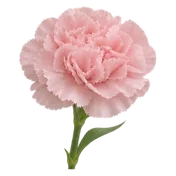
Red, white and pink roses make up the largest groups in this section. The choice within those colours is often about form rather than shade. A bouquet of red roses looks different when each rose has been opened out into a reflexed rose. This is a technique in which the florist turns the outer petals back by hand; it is not a separate variety.
Dutch white roses are classic greenhouse varieties, and they turn up in both tall arrangements and hand-tied bunches of white roses. Ecuadorian growers are known for the longest stems in the trade, commonly running from about seventy centimetres to a full metre, the kind of length that suits a tall bouquet of pink roses.

The idea that each rose colour carries a meaning goes back to Victorian flower dictionaries, small books that assigned a sentiment to every bloom. Red stood for passion, pink for a softer feeling, white for purity and yellow for friendship, and those four associations are the ones that survived into general use.
The books themselves never agreed with each other, and no single list of meanings became standard. A colour sets a mood rather than spelling out a message, so it is worth choosing by the recipient and the occasion rather than trying to match a fixed code. Whatever the reasoning behind the choice, it can go straight into the card, and the card message itself is free.
Cream, coral, lavender: the shades between the classics
Cream, coral, coffee, tea and lavender roses sit a step quieter than red, white or pink, reading less as a statement than as a background colour that flatters whatever else is in the bouquet. Cream roses in particular read as soft rather than bold, sitting close to white but warmer in tone.
Jumilia is the clearest bicolour rose in this range: a bloom up to 7 cm across, with a pale, almost white base shading into a pink edge. With reasonable care it can last up to two weeks in a vase, longer than most cut roses.
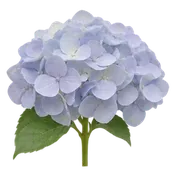
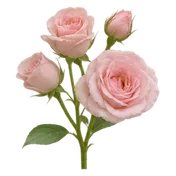
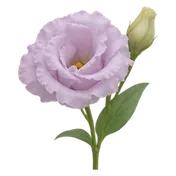
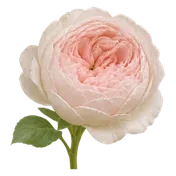
Garden roses, here in lavender shades, are usually English varieties from breeders such as David Austin, with a many-petalled, cupped shape closer to a peony than to a classic rose. Lavender spray roses have a different shape again: several small blooms on one stem rather than a single large head, which suits a bouquet built for texture as much as colour.
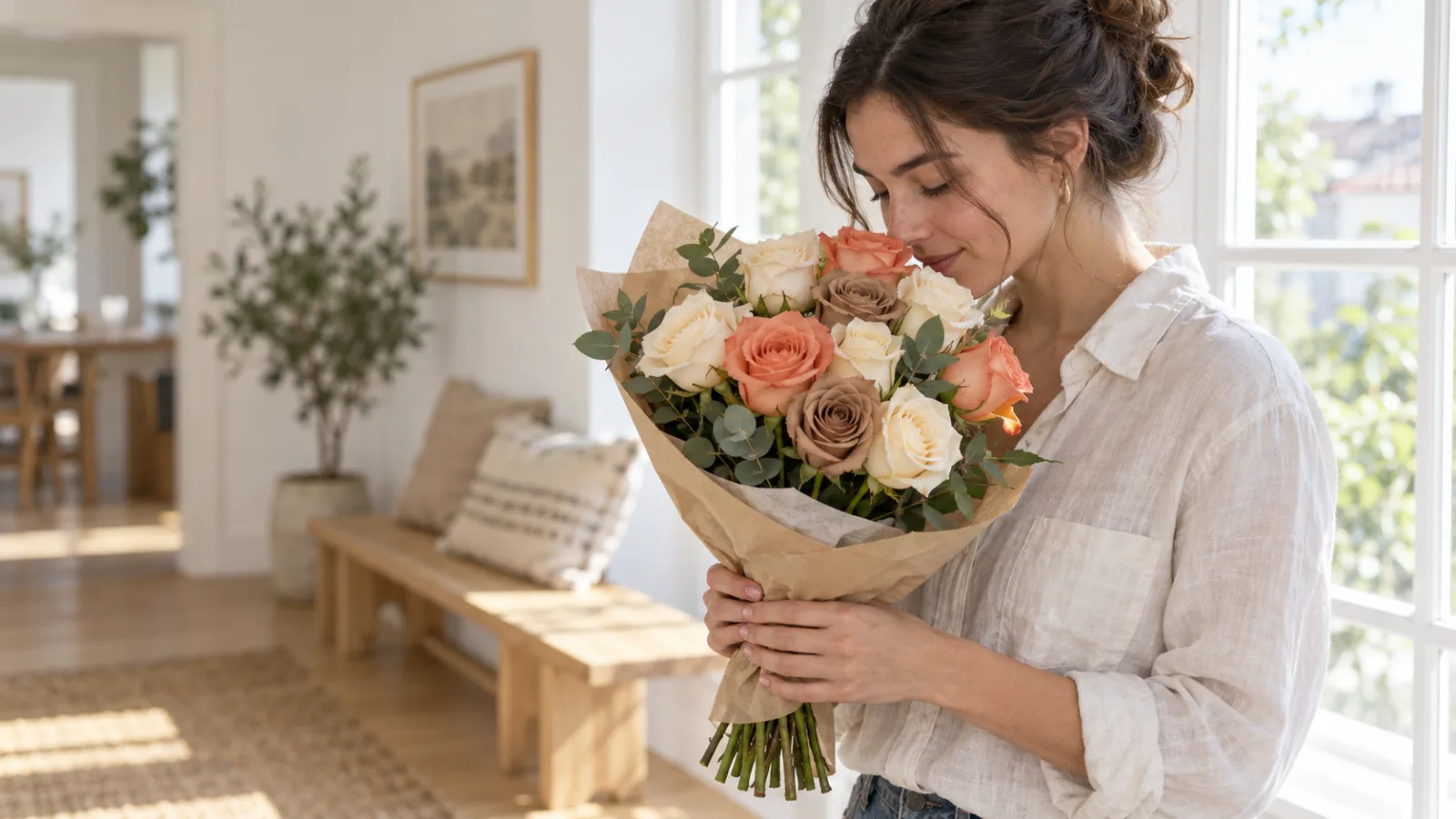
Blue, black, gold and a handful of other unusual shades are gathered into their own narrow collections rather than mixed in with red or white.
Before ordering blue roses or any other rare shade, take a look at the photo and description on the product card to see exactly which colour and which roses are in the bouquet.
Mixed colours and rose delivery in Chongqing: the shade on a photo
Mixed-colour roses are usually built around one of three schemes: monochrome, where every stem sits in shades of the same colour; analogous, which pairs colours that sit next to each other on the colour wheel; and complementary, which pairs opposites for the strongest contrast. Rose delivery in Chongqing works the same way whichever scheme is chosen: the flowers are bought for a specific order only after it has been paid for.
Before the courier sets off, the finished bouquet is photographed and the picture is sent over, so anything that looks wrong can still be corrected. If a particular shade is not available on the day, our florist substitutes a rose close to it in both colour and price, and that substitution is visible on the same photo rather than left as a surprise at the door.
Anyone unsure which scheme or shade to pick can describe the occasion and the budget in chat; a manager replies with a few options, photos and prices attached, before any payment is taken.
A cut rose stays fresh longest with a diagonal cut and water changed every day or two; kept that way it usually holds for about a week, sometimes closer to ten days. The delivery window for a given bouquet shows on its product card; details are on the delivery page.


