










White Roses in Chongqing: Dutch, Tall or Reflexed, and How to Choose
White roses in Chongqing are sold under names that describe where the stem grew or how the flower was shaped, and "Dutch" and "Tall" roses sit side by side in the same section. Ecuadorian stems run from seventy centimetres to a metre and more, while Dutch greenhouse classics are usually shorter, so two white bouquets with the same stem count can look different in height. The choice starts with height, stem count and format.
Dutch, reflexed or tall: what the names in the section mean
Dutch roses are greenhouse classics, grown under glass in the Netherlands and cut on a shorter stem than the tall roses standing next to them in the same section. Roses grown at altitude in Ecuador have some of the longest stems in the trade, from seventy centimetres to a metre and more.
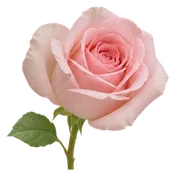
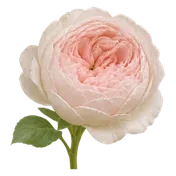
Reflexed is not a country of origin or a variety: it describes what a florist does with the flower after it is cut. Working petal by petal, the florist turns back the outer layer of a tight, closed bloom by hand until the head opens into a wide, many-layered rose. The result looks fuller and more open than an unreflexed rose of the same size.
Named bouquets such as "Rybka" or "Notte Bianca" are simply how the section labels particular arrangements, not separate rose varieties, so there is no meaning to look for behind the name. What matters when choosing is the stem itself: Dutch for a shorter, classic head, tall stems for length, reflexed roses for an open, layered flower.

The section is built around a fixed scale, from 11 stems up to 101, and each step changes the look of the bouquet. Eleven or 13 stems make a compact hand-tied bunch, 25 and 51 fill out into a fuller round shape, and 101 white roses is a statement rather than something you tuck under one arm.
101 white roses come in two shapes here: the "Bunch of 101 White Roses" is gathered loosely by hand, and the "Bouquet of 101 White Roses" is arranged and finished by our florist. Both hold the same number of stems, so the choice comes down to how formal the finished shape should look.
White on its own or with pink and red, wrapped or boxed
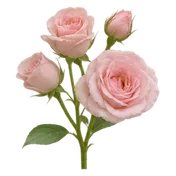
White roses stand alone in the mono bouquets that give the section its name. The same shelf also mixes them with colour: "11/15 White and Pink Roses" pairs white with a blush shade, while "Bouquet of 15 Red and White Roses" sets it against deep red. "101 Roses Mixberry" folds white into a wider mixed palette.
Wrapping changes how the bouquet is carried and handed over:
- Designer wrapping — finishes the stems in paper chosen to match the flowers.
- Coffee-coloured wrapping — wraps the stems in a plain warm brown.
- Flower handbag — holds a smaller bouquet, 15 white roses for instance, in a fabric handbag that can be carried like an accessory.
A flower box holds the stems differently again: instead of a paper wrap or a vase, the roses sit in floral foam soaked with water inside the box itself. The foam is watered every day in a thin stream over its whole surface, and the box should never be tilted, or the water pools on one side while the stems on the other dry out.
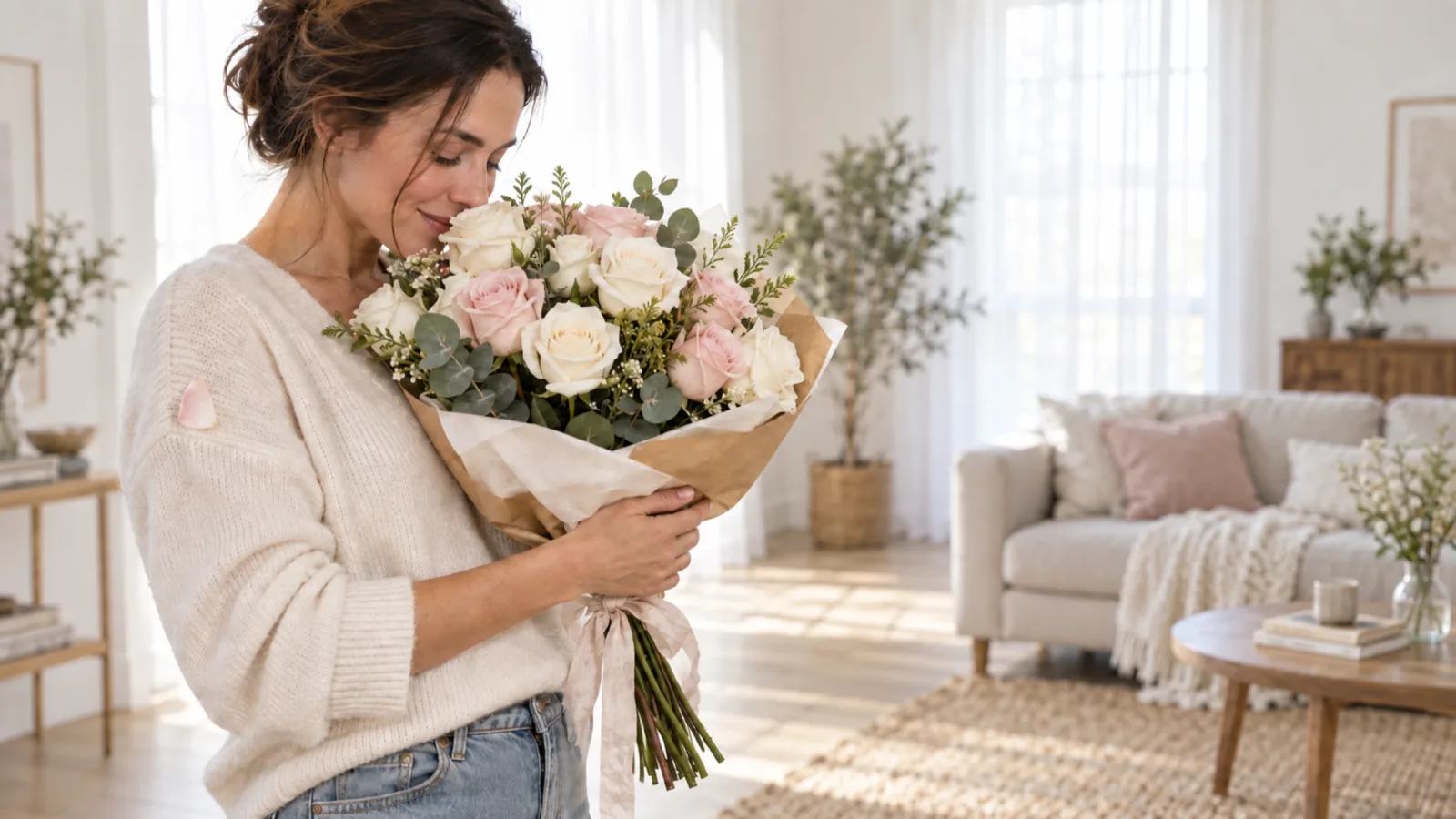
Every bouquet in the section is put together to order, and the flowers themselves are bought only after payment goes through. Before the courier leaves, the florist sends a photo of the finished bouquet, and that photo is the moment to ask for a change if something looks off.
If a particular white rose is out of stock on the day, the florist substitutes it with a flower close in shade and price, and that substitution shows up in the same photo rather than as a surprise at the door. A card comes with every order at no extra cost, and it can carry a message or stay unsigned if the sender prefers to remain anonymous. Where there is no address to give, the recipient's phone number is enough.
Payment is taken online by Visa or Mastercard, and the courier brings flowers only, with nothing extra to pay at the door. Most orders are delivered on the day they are placed, though the timing for each bouquet is shown on its own product page; coverage and details sit on the delivery page.
How long white roses last in a vase
A white rose typically lasts about a week in a vase, and a well-kept stem can stretch closer to ten days. Getting that out of the bouquet starts with the cut: trim each stem at an angle before it goes into water, and strip off any leaf that would otherwise sit below the waterline.
Change the water every day or two, since it clouds faster once leaves or petals have been sitting in it. Keep the vase away from radiators, direct sun and a bowl of ripe fruit, all of which speed up how quickly the flowers age.
White is one shade among many in roses sorted by colour, useful for comparing it against red, pink or yellow before deciding. For every stem count and wrapping in one place, the full rose section covers the whole range, and all flowers opens the wider catalogue beyond roses.


