









Mother's Day in Tokyo: red for Haha no Hi, and the flowers that carry it
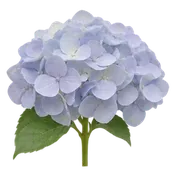
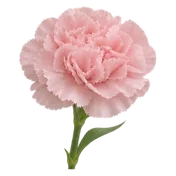
Mother's Day in Tokyo follows Haha no Hi, the second Sunday of May, and the flower of the day is the red carnation. A white carnation is tied to the memory of a mother who has died, so it is not given to a living one. Here the same warm red comes in roses, and lilies with gerbera and blue hydrangea offer other ways to say thank you.
Red for a living mother: the colours of a Haha no Hi bouquet
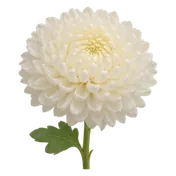
The Japanese custom is simple to state: red stands for a mother who is still here, white for one who is remembered. White chrysanthemums carry the same weight all year round, since in Japan they are a funeral flower and are never sent to someone living. A bouquet for Haha no Hi starts with the colour you choose rather than the flower.
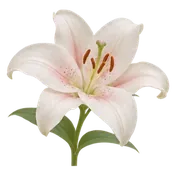
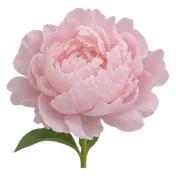
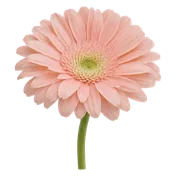
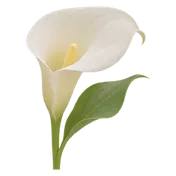
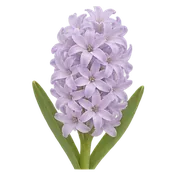
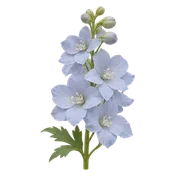
That leaves plenty of room. The section pairs lilies with gerbera for a bright, open bouquet, sets blue hydrangea against soft pink for something gentler, and keeps red roses for the colour the day is really about. White is not ruled out, but if it goes in, let colour lead the rest of the arrangement rather than leaving white to carry it alone.

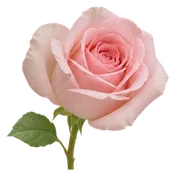
Where the day calls for red and no carnation is on offer, a red rose bouquet stands in for it comfortably; the Red Naomi bouquet is built on exactly that colour. The same red also comes as 11 reflexed roses, gathered simply. "Reflexed" describes the way the bloom opens: the outer petals are turned back by hand so the rose opens wider than it would on its own.
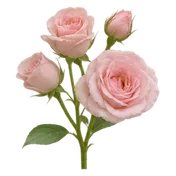
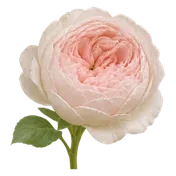
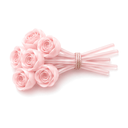
For something softer, 15 reflexed Jumilia roses make up the Jumilia bouquet, with a larger bloom, up to about 7 cm across, pale at the base and edged in pink rather than solid through. Stem counts have their own small customs in a Japanese gift: four and nine are numbers many people avoid, one detail among the wider Japanese gift customs worth a glance before you settle on a total.
A box, a basket or a pot that needs nothing from her cupboard
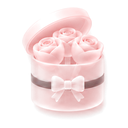
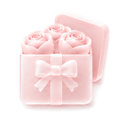
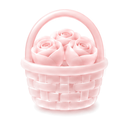
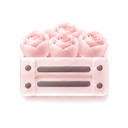
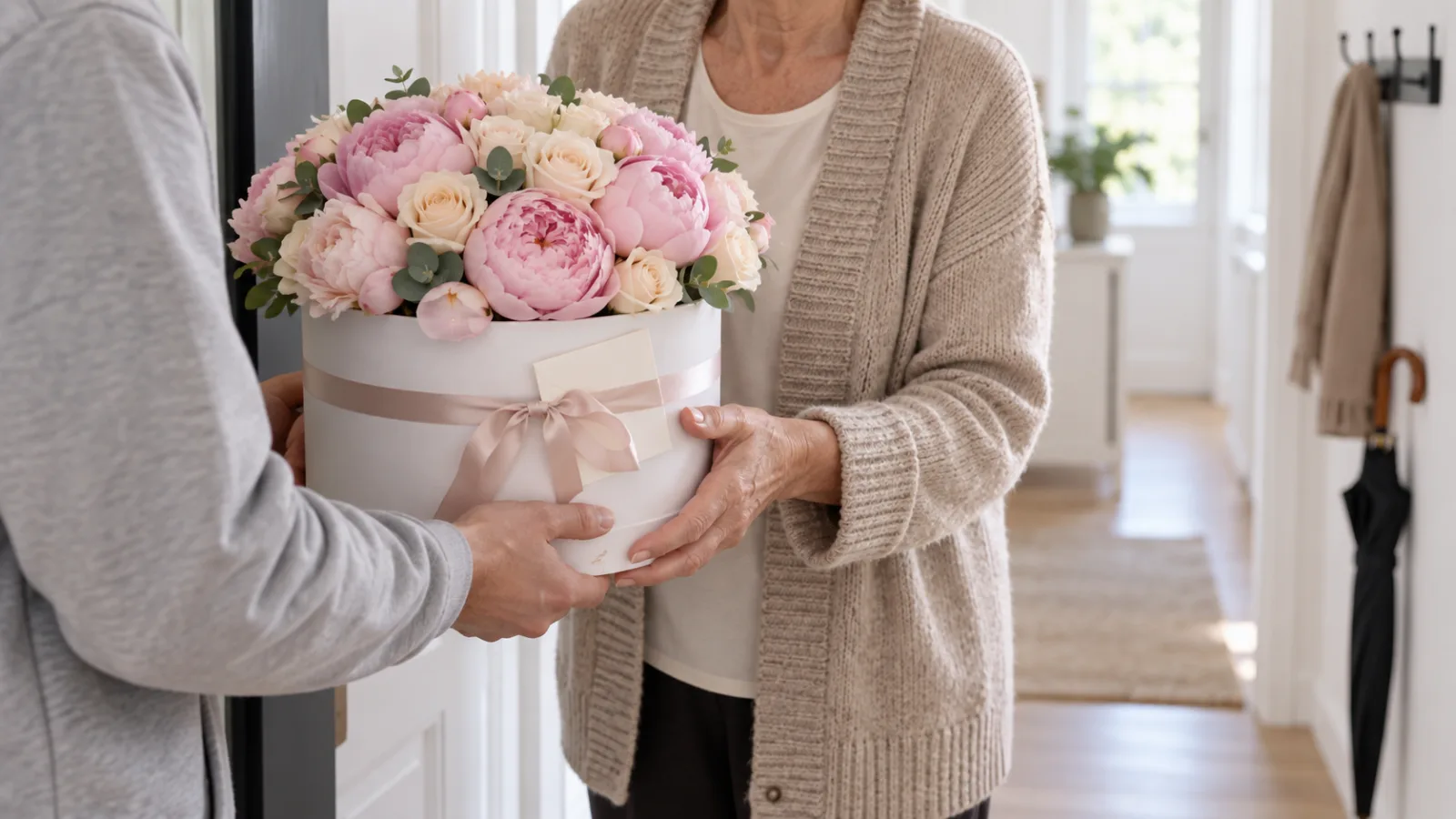
A hatbox or a flower box arrives ready to stand on its own, so there is no vase to hunt for in a cupboard that might not have one. A basket works the same way: the stems sit in foam soaked with water, and keeping them fresh is a matter of watering that foam in a thin stream over its whole surface every day, not topping up a container from above.
A plant in a pot suits a home where it can stay for good, but it is not what goes to a hospital room. In Japan a potted plant carries the wish that someone will "take root", which is the last thing a hospital stay is about, so cut flowers go there instead. A box or a basket suits a bedside table and a front hall equally well, wherever the delivery is headed.
The Sunday after Golden Week: booking her flowers ahead
Golden Week runs from 29 April, with the main holidays from 3 to 5 May, and Haha no Hi falls on the second Sunday of May, just after it. That makes the date easy to miss and easy to plan for: close to the start of May, yet never inside the Golden Week break itself.
Mother's Day flower delivery in Tokyo gets busier than an ordinary weekend, and the delivery page sets wider windows for that Sunday rather than promising an exact minute. Booking a date and time ahead, in any zone, is the way to hold a slot before they fill. Our florist photographs the finished bouquet before the courier sets out, and a card with your own words is added at no extra cost. For something beyond flowers, a balloon such as "To My Beloved Mum" can go alongside the bouquet, picked among the gifts that go with a bouquet.
Choosing for Mother's Day in Tokyo comes down to colour first and container second: red for Haha no Hi itself, a softer pink beside it, and a box or basket if there is no vase at home. The full range of reds is on the roses page, and where lilies, hydrangea and roses are combined, the mixed bouquets selection is the place to start.


