Preserved roses vs fresh flowers: which makes the better gift, and when
Is a bouquet that never wilts a smarter gift than fresh flowers? For most people, no. Fresh flowers smell, open and change for a week or two, and that short life is most of what makes them a gift. A preserved rose, a dried bunch or a felt bloom wins only in particular situations: a recipient who is rarely home, a cat that chews, an allergy, a hospital ward with rules of its own.
If I had to choose blind, I would send fresh flowers and add a line to the card about drying them once they fade. The recipient gets the arrival, the scent and the slow opening now, and something to keep later, and nobody has to pretend that a dyed rose under a dome is the same thing as a rose.
Below, each option gets a fair hearing and a plain note on where it fails. One of them is easy to overlook: sending nothing at all, for now.

Fresh flowers: the short life is the point
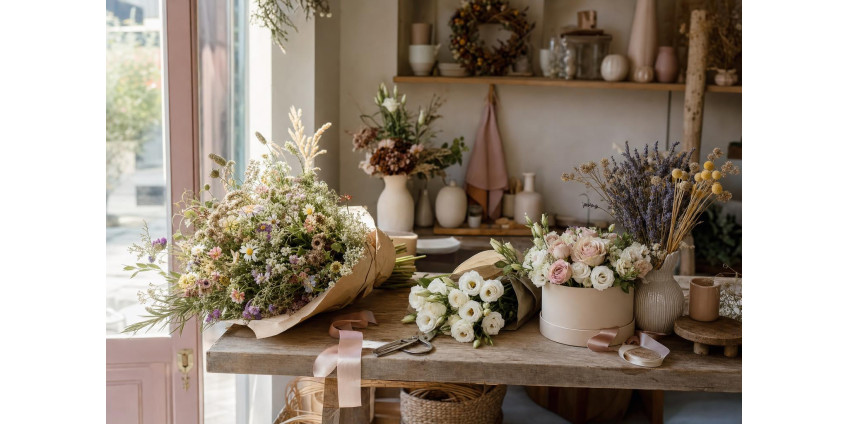
A fresh bouquet brings scent and movement to a room. Roses loosen over a few days, tulips lean toward the window, and a tight bud nobody noticed on Monday is the widest flower on the table by Thursday. The recipient watches all this happen, which means they think of you more than once.
Then there is the arrival. A preserved rose looks as finished on the doorstep as it will a year later. Fresh flowers come in cool from the workroom, still damp at the stem ends, and they are at their most alive in the first minutes after the door opens.
The honest lifespan is about a week to two, depending on the variety and the care. When NC State tested 38 kinds of cut flower, the average vase life came out at 8.7 days. In one rose trial, nine varieties in plain water lasted anywhere from just over seven days to just over fifteen, and crowding ten stems into a single vase cost them about a day and a half. So the vase matters, and so do the fresh water and recut stems described in our guide to making cut flowers last.
Distance is less of a problem than people assume. With jfloo’s international flower delivery the flowers never cross a border: a partner florist in the recipient’s city makes the bouquet on the day of delivery, and a card with your own words goes with it. Fresh fails somewhere else entirely, in an empty flat, on a ward with rules, or as a lily on the table of a house with a cat.
We send you a photo of the bouquet before delivery, so you see it before the recipient does. If something is wrong with it, write to us within 24 hours with a photo and we’ll sort it out. See how our guarantees work.
Preserved roses: flowers that last “forever,” with conditions attached
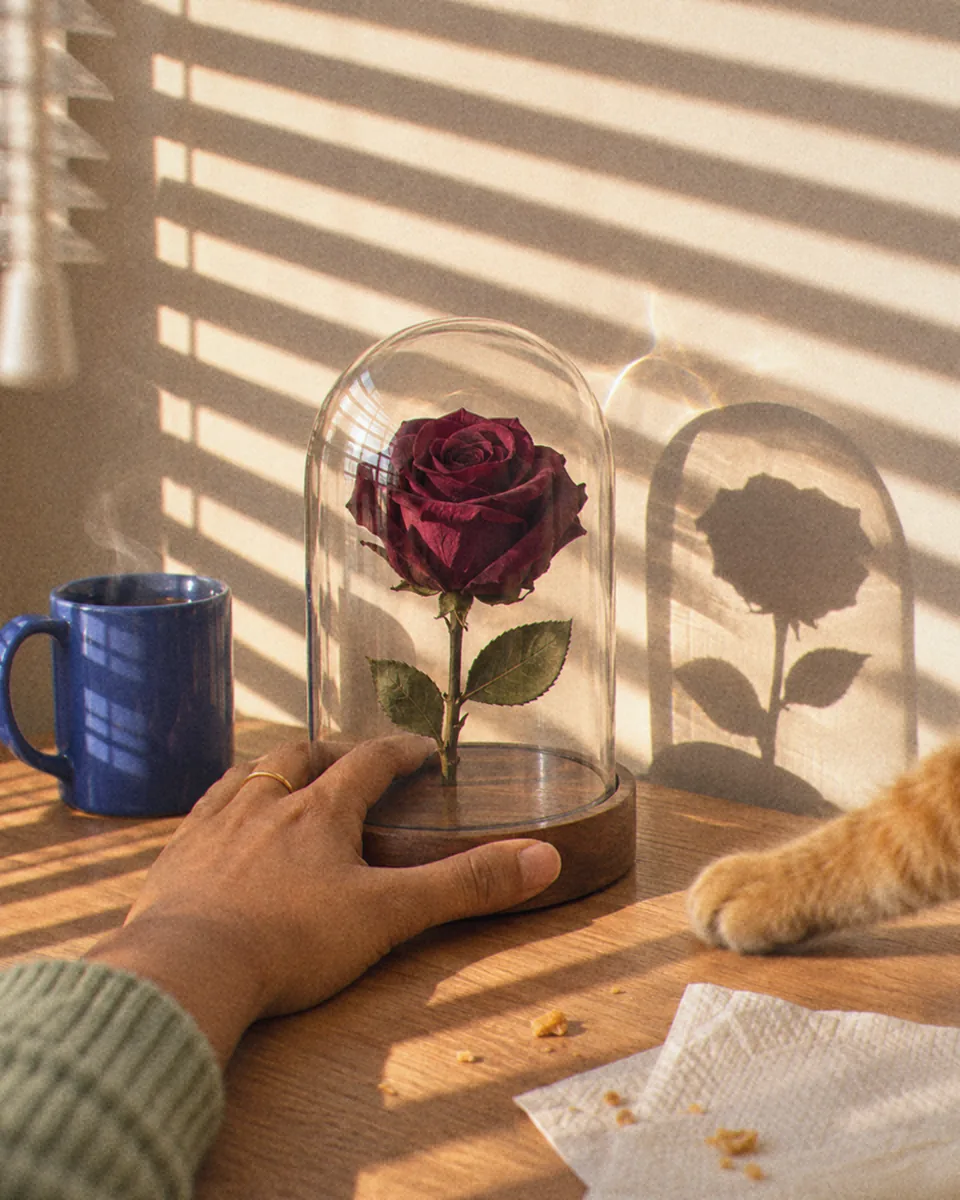
A preserved, or stabilized, rose is a real rose cut at peak bloom and treated with a mix of glycerin, water and dye. The solution gradually replaces the sap, sellers explain, so the petals stay soft rather than papery.
Two consequences follow, and the sellers mention them more quietly. Most preserved roses are dyed, which is where those very even colors come from, and most have little or no scent, because the sap that carried it is gone. What you give is the shape of a rose, without much of the experience.
How long it lasts depends on whom you ask, and everyone you can ask is selling roses. The figure they repeat most often is one to three years, kept dry and out of the sun; their claims run from under a year to ten. Sellers say damp air can make petals sweat glycerin or go limp, while direct sun can fade the dye. A bathroom shelf in London will do to a preserved rose what steam does to a paper bag. Seller care advice is simple: do not water it.
It suits the person who keeps boarding passes from good trips, or someone so rarely home that a vase would go stale in an empty flat. It fails anyone who loves the smell of flowers, any gift whose point is today, and any home with a cat that chews. Preserved is not the same as pet-safe: a preserved lily is still a lily.
Dried flowers as a gift: honest, brittle, a little dusty
Drying is the plainest way of keeping a bouquet, and the one that pretends least. Nothing replaces the sap; the water simply leaves. Colors go muted, stems go stiff, and the flower looks like what it is, a flower somebody chose to keep.
Some species take to it far better than others. The Royal Horticultural Society names strawflower, yarrow and marjoram; Iowa State’s extension service adds statice, gomphrena, globe thistle, baby’s breath, liatris, lavender and blue salvia. Hung upside down at room temperature somewhere dark, in bunches of no more than ten stems so the air can move, they take two to three weeks to dry.
Then comes the part the shop photographs leave out. A dried bunch is brittle: brush past it and it sheds, and it gathers dust like anything else left on a shelf. For a friend with a dust allergy, choose something else.
Drying changes nothing about toxicity, either. True lilies and daylilies are dangerous to cats in every part, pollen and vase water included, and the safe assumption, which veterinarians share, is that drying doesn’t make a lily safe. A cat can take in a toxic dose simply by grooming pollen off its fur, so any contact counts as an emergency; in the US, ASPCA Animal Poison Control answers on 888-426-4435, though a fee may apply. The longer list of what to leave out is in our article on flowers that are safe for cats and dogs.
Dried flowers belong with the person who already keeps a jug of lavender on the windowsill and doesn’t mind sweeping up after it. They are no way around hospital rules either.
Felt flowers as a gift, and the queue in Venice
This November, CJ Hendry’s Flower Shop pop-up ran from November 8 to 21 at 6 Rose Avenue in Venice, Los Angeles, about a block from the boardwalk. The flowers were plush fabric (felt) blooms at $10 a stem, with the tenth free if you built a bouquet, first come, first served. Hendry is an Australian artist and this is an art project on a 14-city tour rather than a florist. Her earlier New York pop-ups drew lines several blocks long, she now has a permanent shop in SoHo, and Brisbane and Melbourne are on the list for December.
The queue is the interesting part. People lined up for a flower that cannot die and doesn’t pretend otherwise. A felt rose is an object that refers to a flower, closer to a drawing of one than to a preserved stem, and that frankness is its charm.
So treat felt as a keepsake, and it makes sense in more places than you might expect. It suits the allergic friend, since there is no pollen, though it still needs dusting like anything on a shelf. It works on a desk at work, in a child’s room, packed in a suitcase. As a first gift across a long distance it lands well only if the two of you share the joke.
Its weak spot is a particular kind of cat. Felt is not automatically cat-safe: some cats chew wool and fabric, a habit veterinarians call pica, and swallowed fabric can block the intestine badly enough to need surgery. Loose thread and yarn are the worst of it. If the recipient’s cat has a history with hair ties, choose something else.
Which flowers can you send to a hospital? Sometimes none
Sometimes the right flower for a hospital is none at all, at least not yet.
In the UK there is no national ban on flowers. Rules are set by each trust and sometimes by each ward, and at one Norfolk hospital the decision rests with the ward sister. The reasons given are practical: vase water as a reservoir for bacteria, spills near equipment, staff time, mold around patients with weakened immunity. Reviews have found no evidence that bedside flowers have ever caused a hospital infection. That has not changed the rules, and the nurses’ station is no place to argue the point with a bouquet in your arms.
The lasting formats are no loophole. CDC guidance, as reported, keeps fresh flowers, dried flowers and ornamental plants away from patients with weakened immune systems, since all of them can harbor mold. New York-Presbyterian has been reported to ban fresh, dried and artificial flowers in labor and delivery, oncology, transplant rooms and nurseries. The Royal Brompton in London bars flowers and plants from intensive and high-dependency care. Mediclinic City Hospital in Dubai excludes them from its ICU, SSMC in Abu Dhabi said no flowers, natural or artificial, in its 2022 inpatient visiting rules, and Tasmania’s health service asks people to call before sending.
So call the ward first. If the answer is no, send the bouquet to their home for the day they are discharged, when someone is there to put it in water and the flowers have a quieter room to open in.
Preserved, dried, felt or fresh: side by side
| Format | How long it lasts | Care | Cats | Hospital wards |
|---|---|---|---|---|
| Fresh | About 1–2 weeks, by variety and care | Fresh water, recut stems, a cool room | Avoid true lilies and daylilies | Banned on some units; call first |
| Preserved | 1–3 years, sellers say, if dry and out of the sun | Seller care advice: no water; avoid sun and humidity | Not automatically pet-safe: a preserved lily is still a lily | Not guaranteed; some units ban artificial flowers |
| Dried | A fragile keepsake, if handled gently | Keep dry and still; dust gently | Drying doesn’t make a lily safe | Can harbor mold; kept from vulnerable patients |
| Felt or fabric | A keepsake, rather than a bouquet | Dust it now and then | Risky for cats that chew fabric | Some units ban artificial flowers too |
Read across the rows and the pattern is plain: the longer a format lasts, the less it does on the day. Fresh flowers bring scent and change while someone is watching.
What to send, person by person
This is the table to forward to whoever is about to ask what they should get her.
| Recipient | Send | Why |
|---|---|---|
| The partner who is always traveling | Fresh flowers on the day they land; a preserved rose if they are only passing through | A vase goes stale in an empty flat. A preserved rose doesn’t mind waiting. |
| The patient in hospital | Nothing to the ward until you’ve called; fresh to their home for discharge day | Wards set their own rules, and many cover dried and artificial flowers too. |
| A home with a cat | Fresh, with no lilies or daylilies anywhere in it | Lilies are toxic to cats fresh or dried; felt is a risk for fabric chewers. |
| The friend with allergies | Felt or fabric | No pollen, and it can be dusted. Dried flowers can collect dust. |
| A first gift across a long distance | Fresh, made in their city that day | It arrives as an event, with your card, and you see the photo before they do. |
| Someone who keeps everything | Fresh now, dried later | They get the scent and the opening first, then a bunch to keep. |
If the person fits none of these rows, our guide to choosing a bouquet for someone works from the other end, starting with the recipient rather than the format. The card does the rest. A few lines that fit the situations above:
Made today in your city. Water first, unpack later.
The ward said no flowers, so these waited for you at home.
No lilies, I checked. The cat may sniff but not snack.
When these start to fade, hang them upside down somewhere dark. Then they’re yours for good.
The middle way: fresh now, something to keep later
The choice is less either-or than the marketing suggests. A fresh bouquet can become a dried one, and the person who received it does the drying, which turns out to be part of the gift.
The timing is the only trick. Take the stems out once they are past their best but before they brown, bunch them in tens or fewer, and hang them upside down at room temperature in a dark cupboard or hallway. Two to three weeks later they are done. Lavender, baby’s breath, statice and yarrow are among the flowers commonly used for drying. The methods, and which flowers suit each, are in our guide on how to dry a bouquet so it lasts.
Don’t expect the shop finish. Preserving a rose in glycerin at home takes weeks, and the color usually shifts to brown or bronze, nothing like the vivid burgundy under a dome. Some people prefer it that way. It looks like time has passed, because it has.
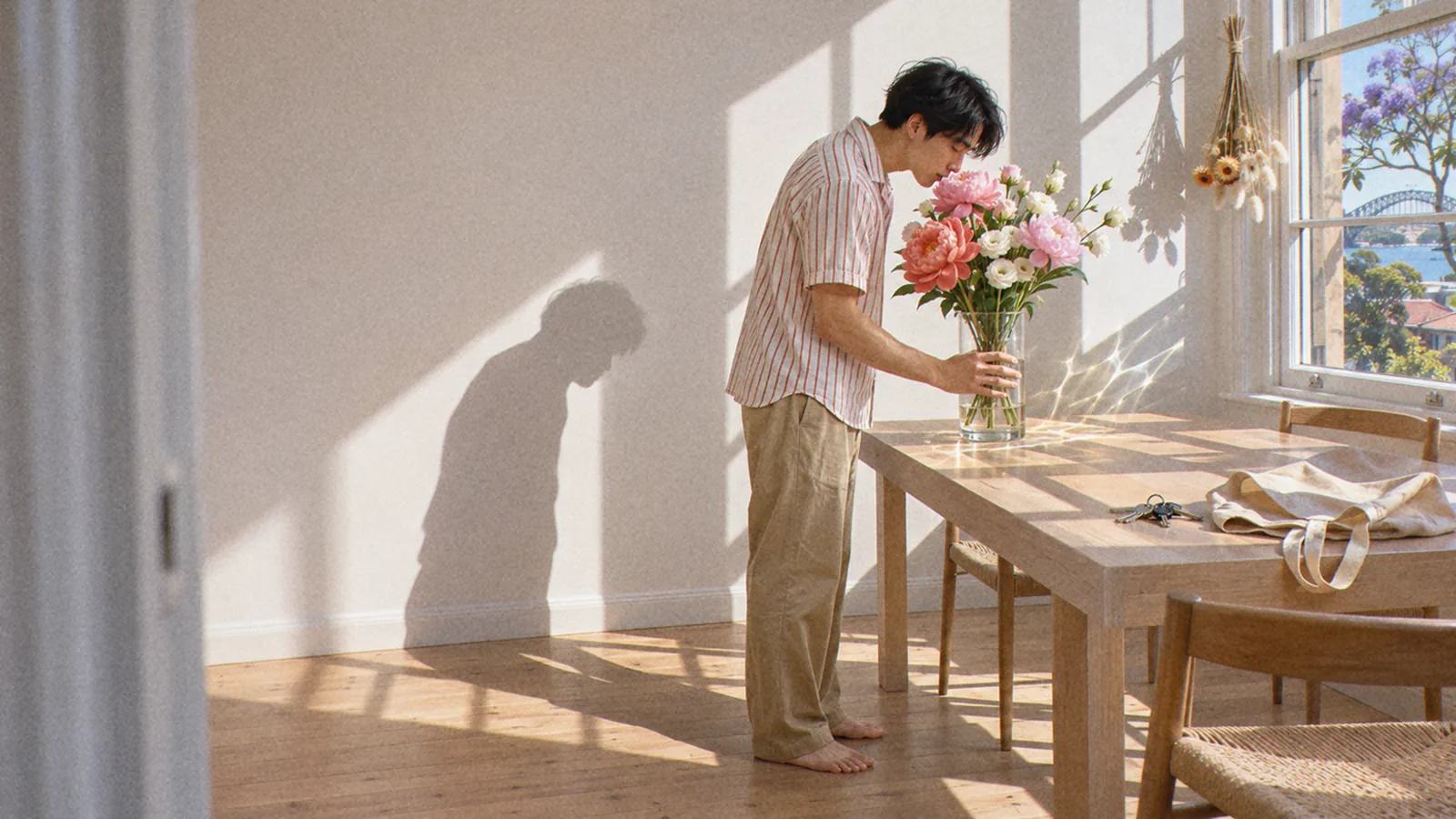
A rose that lasts three years is a fine object. A rose that opened on someone’s kitchen table and then hung by their window is a memory with a stem. Given the choice, that is the one I would send.