How to make cut flowers last: caring for a bouquet and a flower box
A cut flower doesn't die the moment the stem is cut. It changes its supply. The roots are gone, yet the stem is the same plumbing it was in the field, a bundle of fine vessels drawing water up to the bloom, and as long as water keeps arriving, the rose goes on opening, the tulip goes on growing and the peony goes on unpacking itself, one crumpled layer at a time.
All you have to do is keep that line open. It sounds modest, but this is where a bouquet's fate gets decided. Some roses hold up for more than a week; others hang their heads on day three, though they came out of the same box. The variety is rarely to blame. The difference usually comes down to the first hour at home and to where the flowers spend their nights.
Below is everything florists do with cut stems in the workroom, translated for an ordinary home. Arrangements in floral foam get a chapter of their own, because half of the usual bouquet advice doesn't apply to them.

The first hour
On the way to you, the stems spent some time without fresh water, and the cut ends have begun to seal, the way a small wound closes over. Water still gets through, though not easily. So start with a knife rather than with the vase.
- Unwrap itTake off the cellophane and paper if the bouquet is going into a vase. Leave the tie where the stems cross: a hand-tied bouquet keeps its shape on a spiral of stems, and once you undo it you have an armful.
- Recut the stemsTake 2–3 cm (about an inch) off each stem at an angle with a sharp knife or floral shears. Roses are easiest to trim in a bowl of water, which keeps air out of the fresh cut. Household scissors won't do. They pinch instead of cutting, and the stem collapses like a drinking straw.
- Strip the lower leavesAnything that would sit below the waterline has to go. A leaf left in the vase feeds bacteria within a day or two, and the water clouds over with it.
- Clean vase, cool waterWash the vase with soap even if it looks spotless, because bacteria from the last bouquet are still in there, waiting for water. Fill it a third of the way with cool, not icy, water and add the flower food sachet if you have one.
- Find the right spotKeep it away from direct sun, radiators, drafts and the fruit bowl. Ripening bananas and apples give off ethylene, a gas that makes flowers age faster and drop their petals sooner.
Choosing the vase is simpler than it looks. A hand-tied bouquet wants one about half its height, with a neck slightly narrower than the bouquet itself, so the stems lean on the rim and hold their spiral. In a vase that's too wide the bouquet falls apart; in one that's too narrow the stems are squeezed and drink badly.
The whole routine takes about ten minutes. After that the bouquet asks for very little: fresh water every day or two, and someone who remembers to give it.
Why the cut decides everything

A stem is a bundle of very fine tubes. In the field water moves through them without a pause, and as soon as the flow stops, the plant starts protecting itself. The cut seals over with sap, and if air gets into the vessels, it lodges there as a plug. The flower can stand in a full vase and still be unable to drink.
You have probably seen the result: a rose hanging its head over perfectly good water. There's a kink just under the bloom, and somewhere in the stem an air bubble that nothing gets past. Florists call it bent neck, and they treat it with the same knife.
A fresh cut opens fresh vessels. It should be angled, because a slanted end exposes more surface and can't sit flat on the bottom of the vase, sealing itself off. It should be sharp, because a blunt blade bruises the tissue and closes half the channels on contact. Hence the one habit that does more for a bouquet than any additive: every time you change the water, take another centimeter off the stems.
Water can help that flow or block it. In a warm vase bacteria multiply quickly, and their colonies clog a cut as thoroughly as an air bubble, which is why cloudy water is the first sign of trouble. Tough-stemmed flowers such as roses, chrysanthemums and eucalyptus forgive a lot. Soft, sappy ones like tulips, gerberas and callas turn mushy first and want only a little water.
Bouquet or foam: two different stories
A bouquet stands in a vase and drinks from it. A box, basket or hatbox arrangement works another way. Each stem is pushed into floral foam, the green block florists still call Oasis after the first brand that made it. The foam soaks up water the way bread soaks up milk, then lets it go to the flowers a little at a time. These stems can't be recut and their water can't be changed, so they need a different kind of care.

Bouquet in a vase
- It drinks from the vase, so never let the water fall below the stem ends.
- Every day or two, give it fresh water and take another centimeter off the stems.
- Remove spent flowers right away: they hurry the others along.
- Nights are best spent in the coolest room.

Arrangement in floral foam
- It drinks from the foam, which must never dry out, not even for a day.
- Every day, trickle a little water along the edge until the foam stops taking it in.
- Leave the flowers where they are: a stem won't sit firmly in its old hole again.
- In hot weather, mist the leaves and keep water off the blooms.
Telling when the foam is thirsty is easy. Wet foam is dark green and heavy; dry foam turns pale, like sun-bleached moss. A box with soaked foam weighs noticeably more, and your own hands make the best gauge. Lift it each morning and within a couple of days you'll know its weight by heart.
Letting the foam dry out is about the only mistake that's hard to undo. Once dry, it starts to repel water, and whatever you pour beads up and runs off the surface. A little every day is better than a generous soak once a week. Too much is no help either. A box isn't a vase, and if water is pooling on top of the foam, it has had enough.

Looking after flowers is a lot like being a good host: a cool room, fresh water and no drafts.
One set of rules, five climates
We deliver flowers to more than a hundred cities, from Helsinki to Cape Town, and the rules of care are the same in all of them. Only the opposition changes: in one city the bouquet's worst enemy is the air conditioner; in another it's the radiator under the window.
Heat and air conditioning
Dubai · Doha · Singapore · Bangkok · Bali
It's over 30 °C outside and cool and dry indoors. Put the bouquet where the air conditioner's stream can't reach it, because that cold draft dries petals faster than the sun. Change the water daily, since in the heat it spoils much sooner. And never leave flowers in a parked car, not even for ten minutes.
Mediterranean summer
Barcelona · Lisbon · Nice · Limassol · Tel Aviv
The sun comes in through the windows, and by noon the sill is hot to the touch. A spot that suited the bouquet in the morning can be the warmest place in the room by mid-afternoon. At night, move the vase to wherever it's coolest, which is often the bathroom or the hallway.
Continental winter
Almaty · Astana · Toronto · Chicago · Helsinki
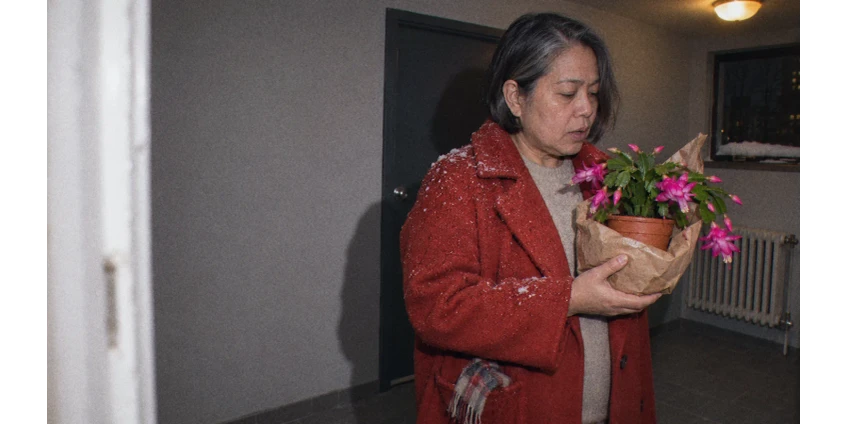
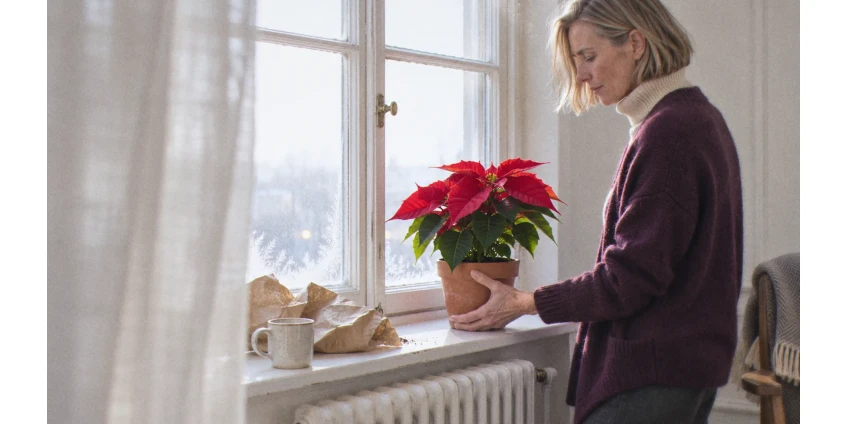
Frost outside, central heating and parched air inside. The worst place in the home is a windowsill above a radiator. Don't unwrap a bouquet that has just come in from the cold; give it half an hour to warm up in its paper. And don't leave flowers on the doorstep when nobody's home, because frost gets to them within minutes.
Mild maritime climate
London · Dublin · Amsterdam · Copenhagen
The kindest conditions of all: cool, damp air and no sudden swings. Winter heating is the main threat, along with the rare hot day nobody prepares for.
Southern hemisphere
Sydney · Melbourne · Buenos Aires · Cape Town
December is high summer here and July is winter, so go by the thermometer rather than the calendar. A Christmas bouquet in Sydney needs topping up as often as a July one in Barcelona. For getting flowers through a heat wave, see our summer heat guide.
A week in the life of a bouquet
- Day 1
Recut, clean vase, cool spot. The buds are only beginning to open.
- Days 2–3
Fresh water and a new cut. The roses open up and the lisianthus brings out its next buds.
- Days 4–5
Take out anything that's fading: spent flowers still drink and give off ethylene, which ages their neighbors. Wash the vase.
- Days 6–7
Rebuild the bouquet shorter, in a smaller vase. Water reaches the bloom faster up a short stem.
- After that
The hardiest flowers move to a glass on the bedside table. Roses and eucalyptus can be hung upside down to dry.
A foam arrangement keeps a simpler calendar: a little water along the edge every morning and a careful look every couple of days. You can gently ease out a spent flower, but you won't get it back into the foam.
Temperaments
Every flower has its own temper, and a few are worth getting to know in advance.
- Roses
- Sensitive to air in the stem. If a head droops, recut the stem under water, roll the bouquet snugly in paper and stand it in deep, cool water for a couple of hours. Browned outer petals can come off. They're guard petals, and they did their job on the journey.
- Tulips
- They carry on growing in the vase, stretching a few centimeters and bending toward the light, so the bouquet changes shape within a day or two. They need very little water, and colder is better. Keep them out of a vase with daffodils, whose sap harms other flowers.
- Hydrangea
- A heavy drinker, through the flower heads as well as the stem. If a head goes limp, submerge it in cool water for about forty minutes, then recut. It usually perks up.
- Peonies
- In the warmth they open within a day; in the cool they take their time, bud by bud. If you want them to last, keep them away from heaters and sun.
- Lilies
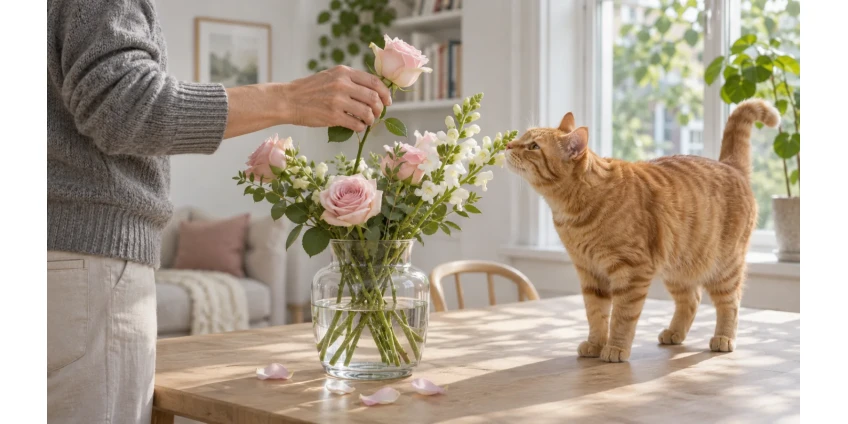
- Pinch the anthers off with a tissue as soon as the flowers open, because the pollen stains petals, tablecloths and sleeves. And keep lilies well away from cats: the plant is toxic to them.
- Chrysanthemums and alstroemeria
- The long-distance runners. With fresh water they outlast nearly everything else in the bouquet and are the last to leave the vase.
Old tricks in the vase
- Barely
Aspirin in the waterA tablet makes the water a little more acidic, and that's where its usefulness ends. Changing the water every day does far more.
- Half true
SugarFlowers do feed on sugar, but bacteria feed on it faster. Without an acidifier and something to keep the bacteria down, sugar only turns the water cloudy. A flower food sachet is sugar done properly.
- No
A copper coinFar too little copper leaves the coin to slow the bacteria down.
- Not for all
The more water, the betterDeep water does tulips, gerberas and callas no favors: their soft stems go soggy. A few centimeters is plenty.
- Leaves only
Misting the whole bouquetDrops on rose and peony petals leave marks, and in a warm room they invite mold. Leaves and greenery can be misted.
Vodka, bleach and other household remedies get an article of their own.
When something goes wrong
Most wilting can be reversed if you catch it the same day, whether it's a rose hanging its head or tulips sprawled over the rim of the vase. Recut the stems, give the flowers a couple of hours in deep, cool water and move them to the coolest room for the night. By morning most of them look as though nothing happened. There are more rescue methods in our guide to reviving a wilted bouquet.
The last days
A bouquet doesn't fade all at once. The most delicate flowers go first, freesia and lisianthus and roses that have opened all the way, while the rest hold on longer. Don't throw the whole thing out. Two or three surviving roses in a glass on the kitchen table will give you a few more days, and hung upside down to dry (here's how) they'll stay with you for months. Florists call this a bouquet's second life, though if you count from the field, it's really the third.