
-500x500.jpg)


720x720_q85.jpg?v=1787130516)
720x720_q85.jpg?v=1787130516)


720x720_q85.jpg?v=1787131158)


Roses by colour in Bali: matching a shade to something real

Weddings, table settings and event palettes all produce the same request, and it is the one worth handling carefully. Somebody has a colour in mind that already exists on an object, and the flowers have to meet it. That is a harder brief than picking a shade from a page.
Send a sample, not a screenshot
A ribbon, a paint chip, a scrap of the fabric: any of these can be held against a real stem under real light. A photograph cannot, because the colour in it has passed through a camera, a compression algorithm and somebody else's display settings before it reached us.
Sunlight here complicates the screen version further. A tone photographed on a terrace at midday and the same tone under a covered pavilion are two different pictures of one object, and neither of them is the object. We look at every matched sample twice, once by the window and once where the flowers are actually built.
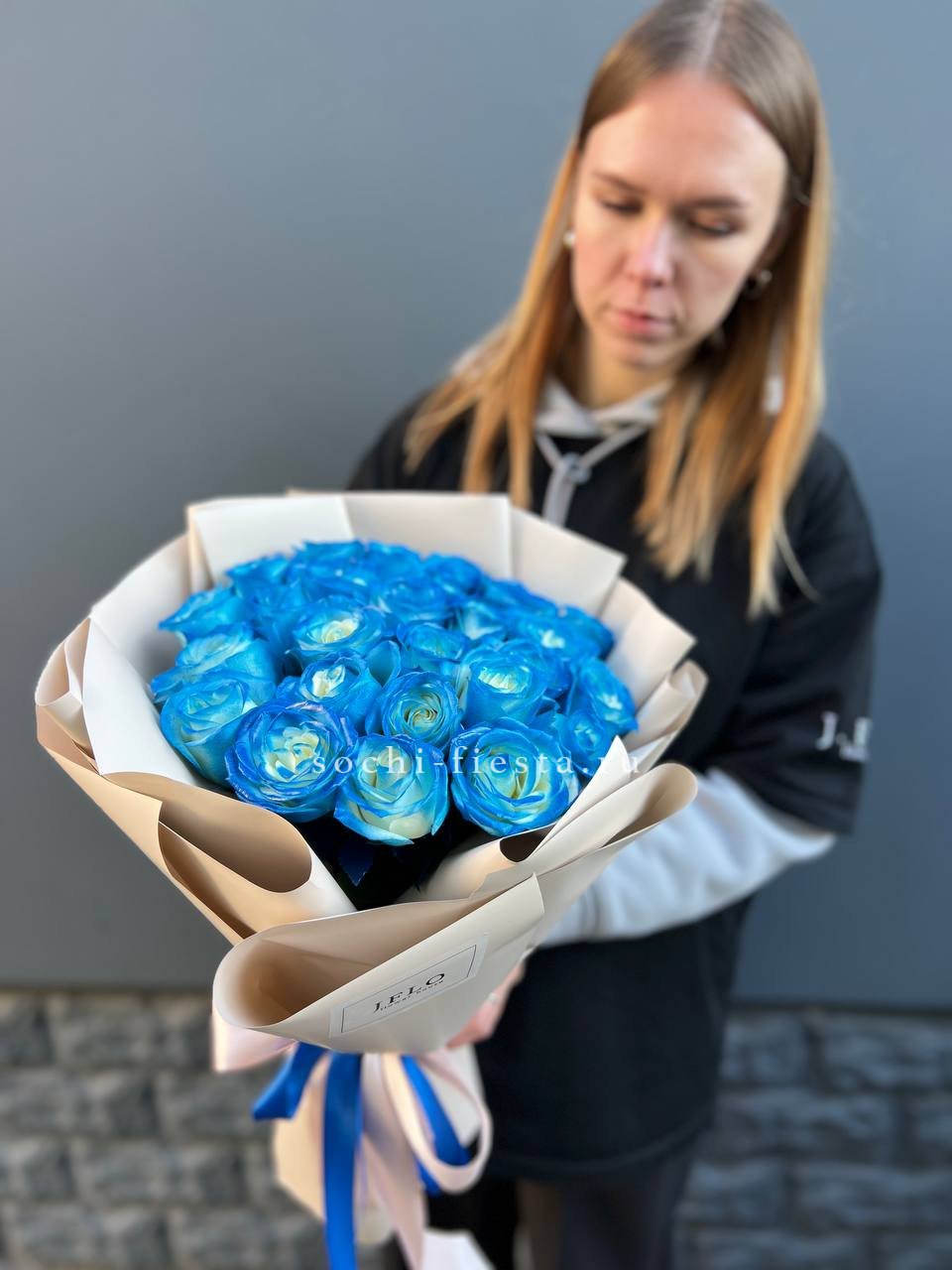
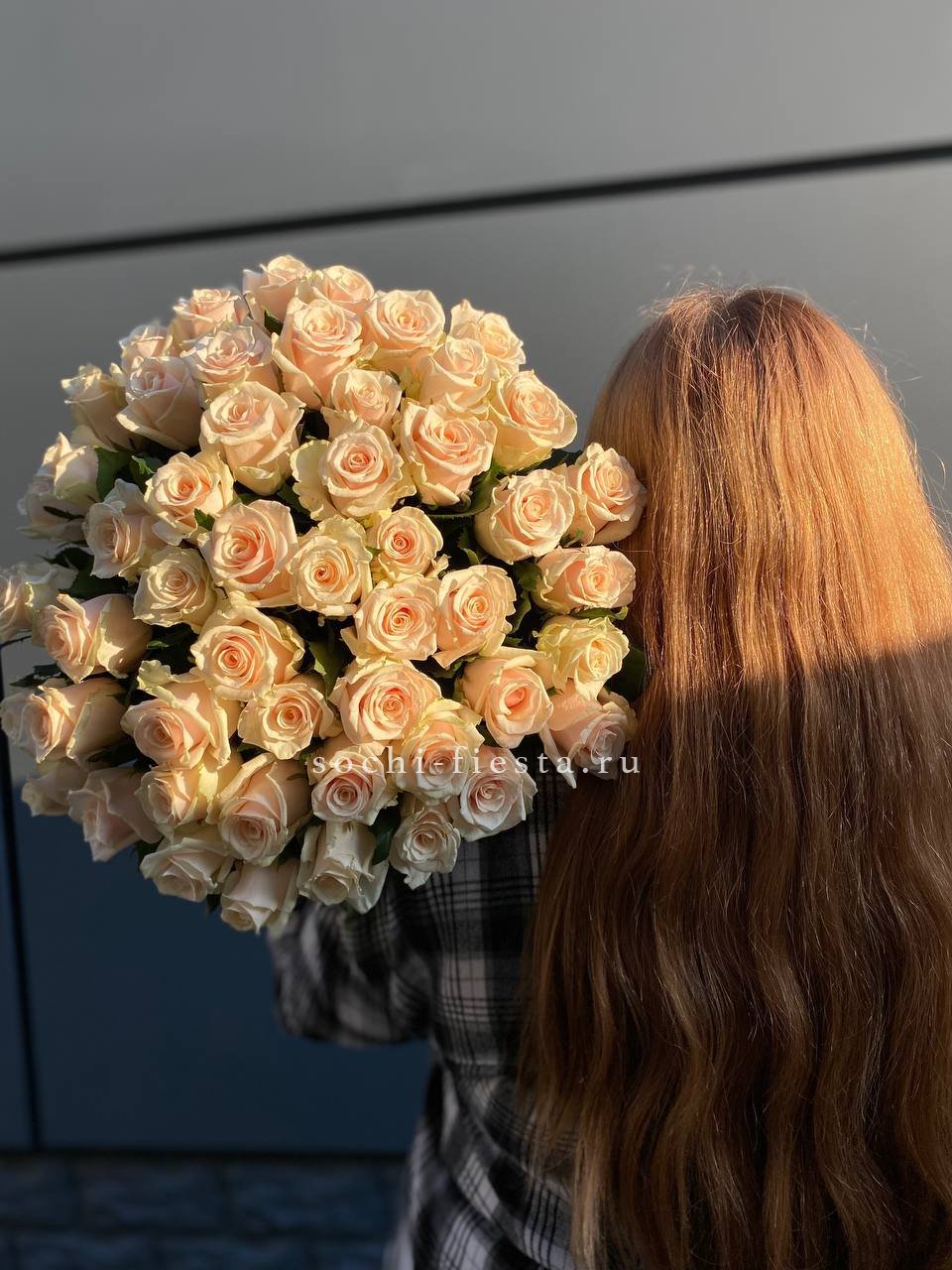
The second half of the answer is to accept a range instead of a point. Ask for the closest available tone within a stated direction, warmer or cooler, lighter or deeper, and let the florist work inside it. A demand for an exact match usually ends in the dyed version of the shade, which behaves differently in the hand and rarely photographs the way anyone hoped. Growers plant varieties years in advance, so what exists in the cold room this week is what exists.
"Bring the ribbon. Time with it at the bench settles what a week of messages about the word blush never will."
— JFLOO florist
Two-tone varieties and who they suit
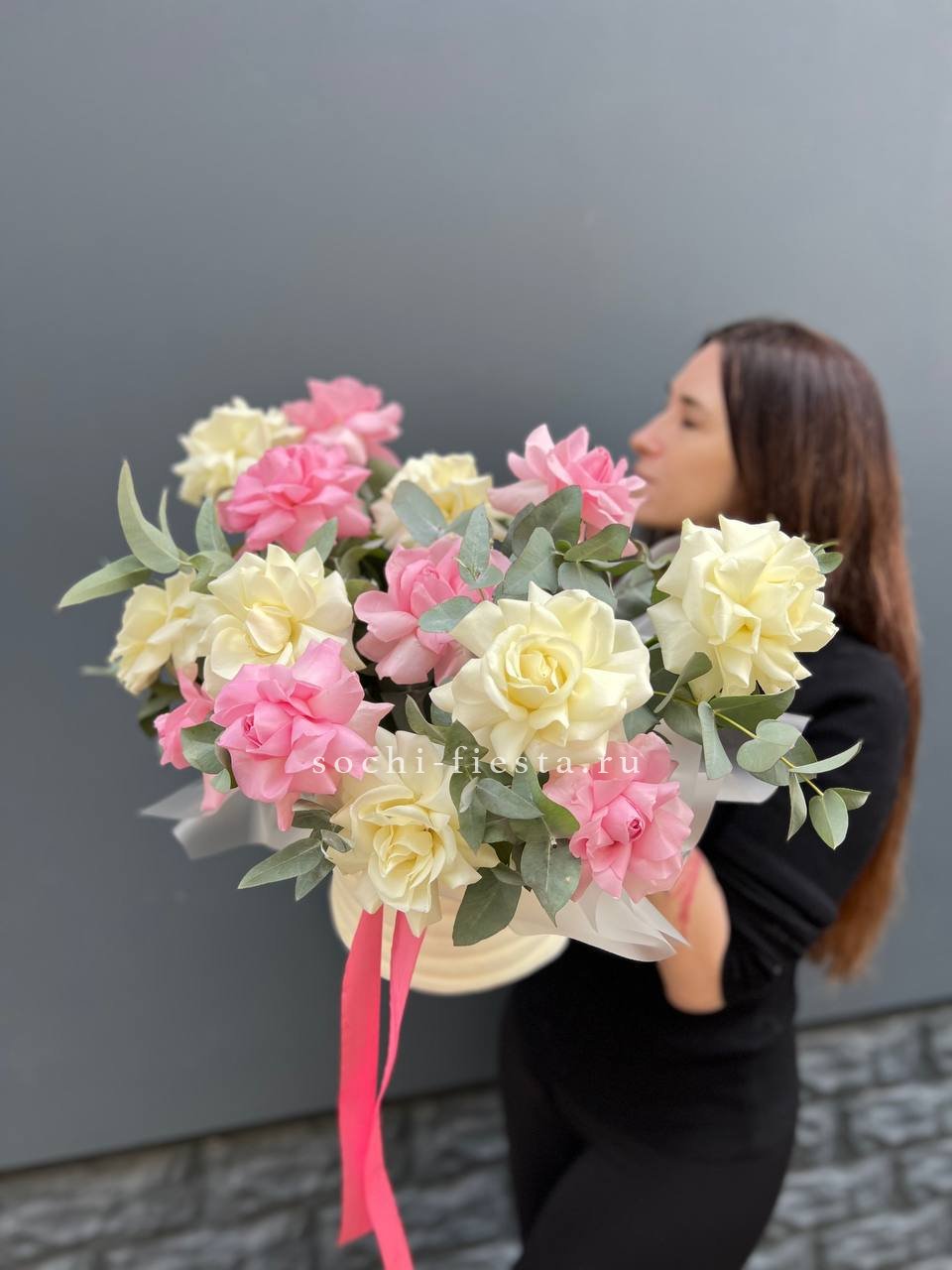
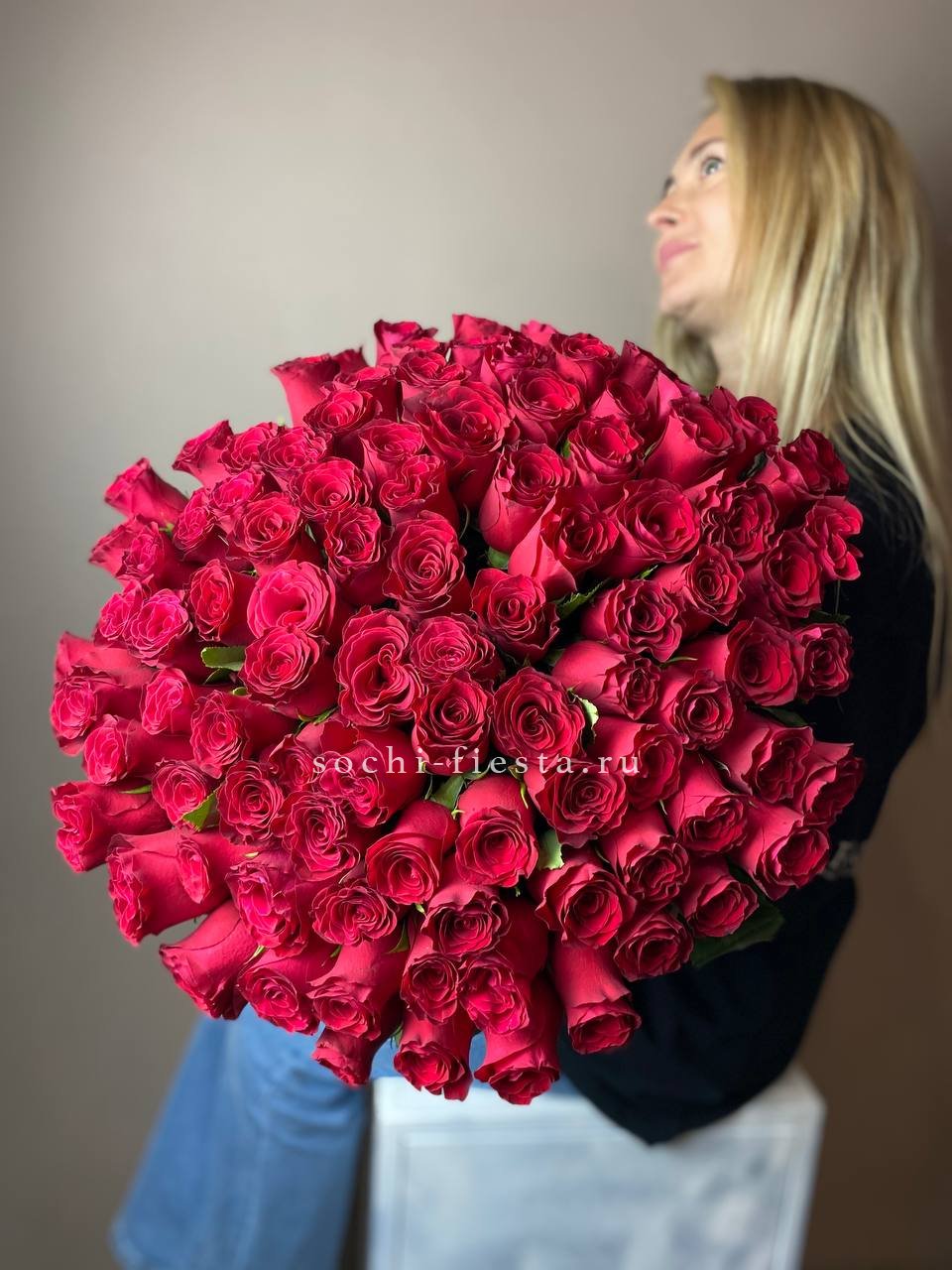
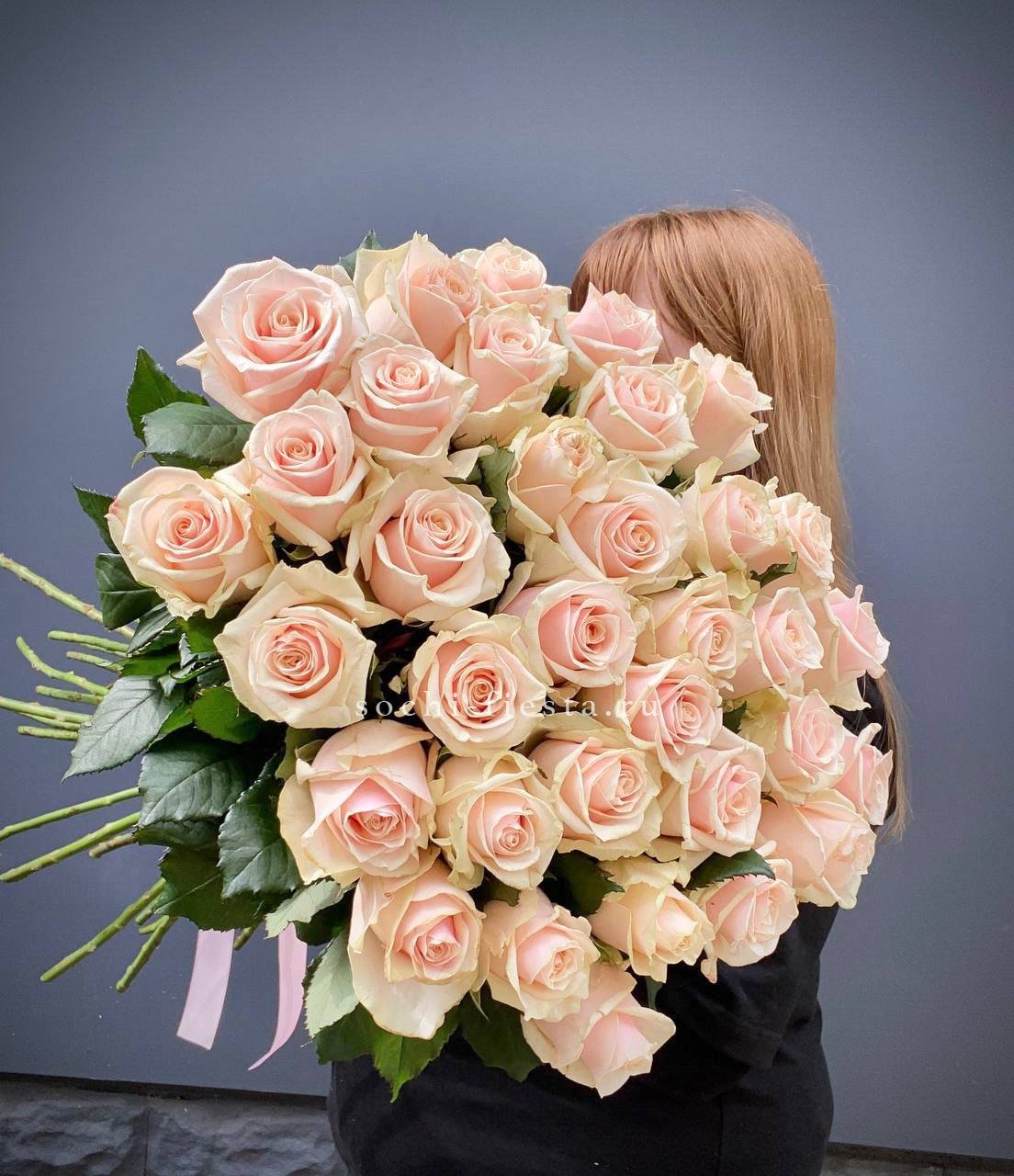
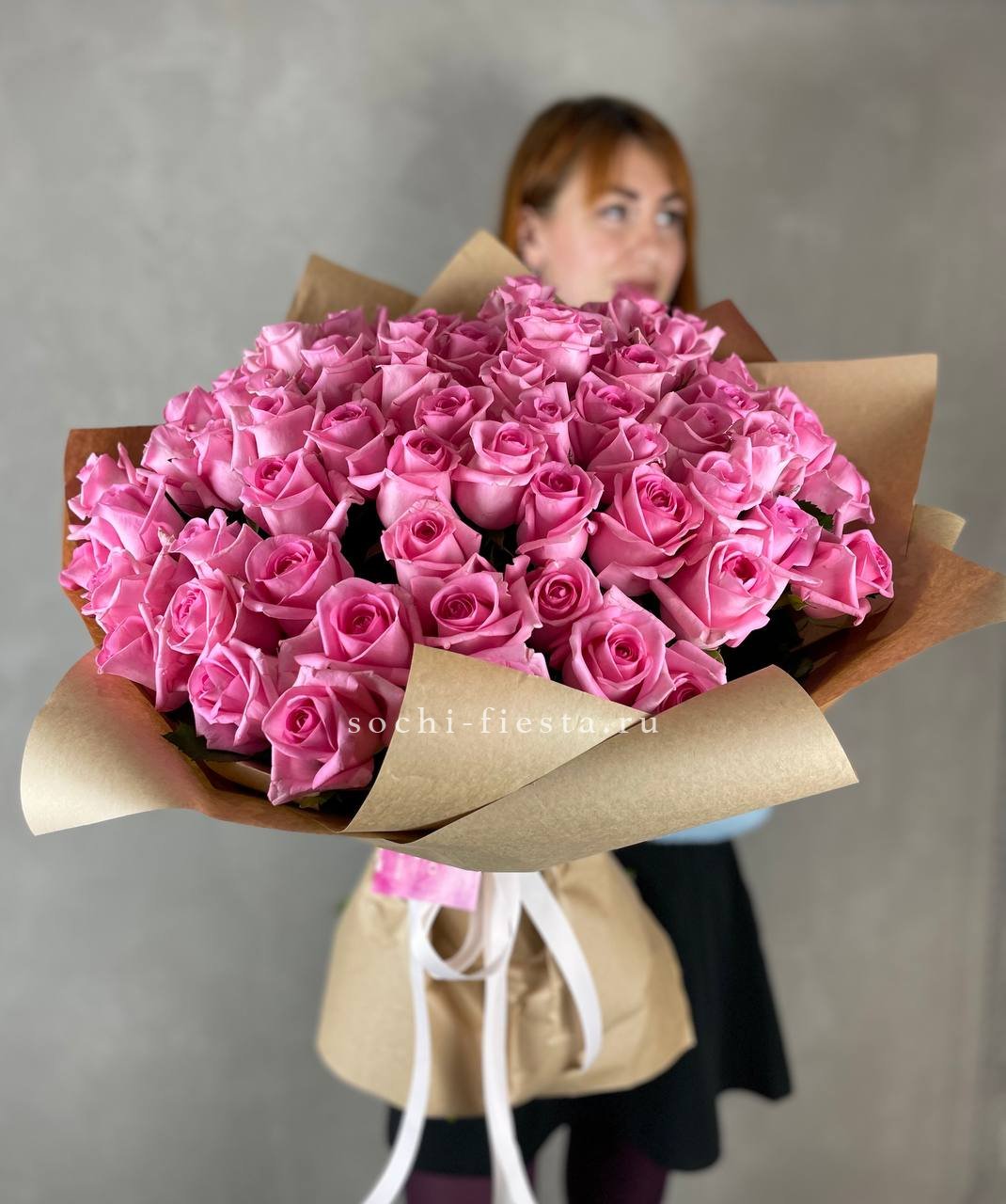
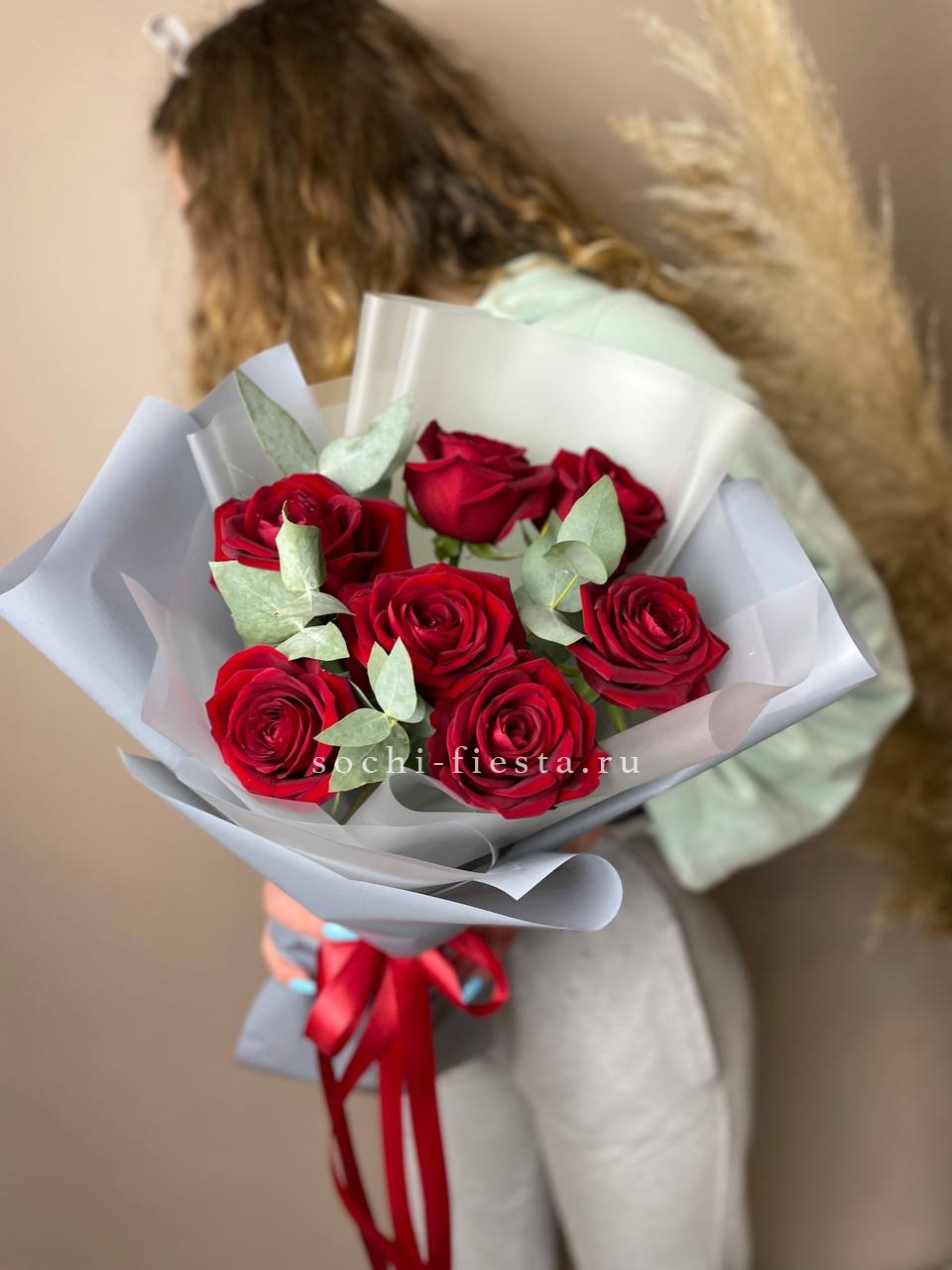
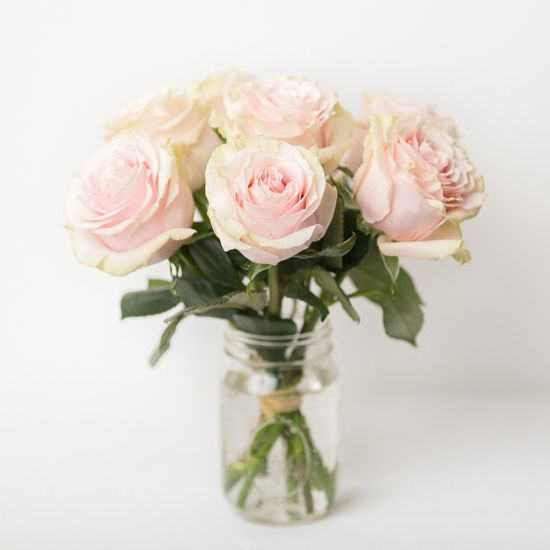
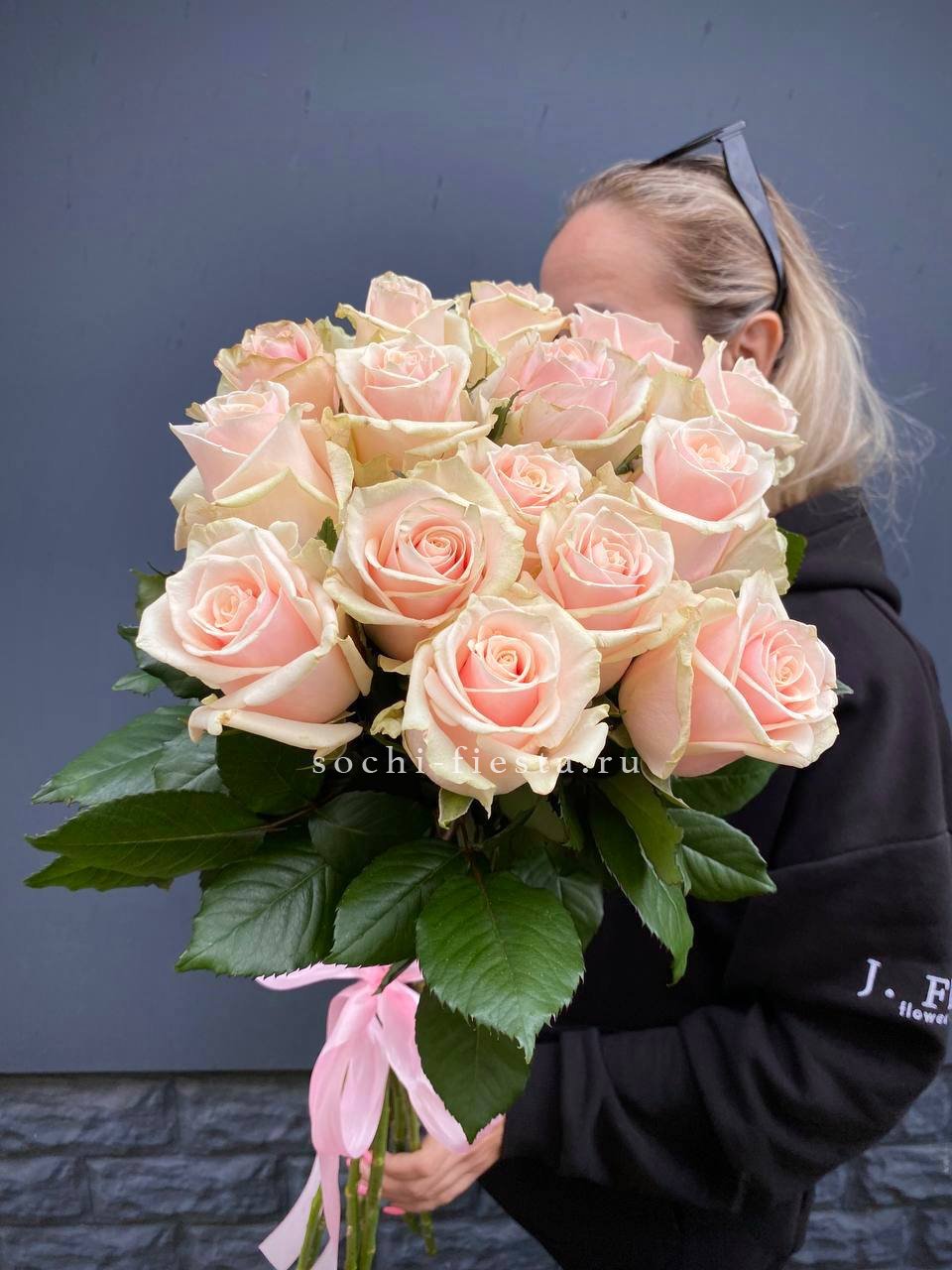
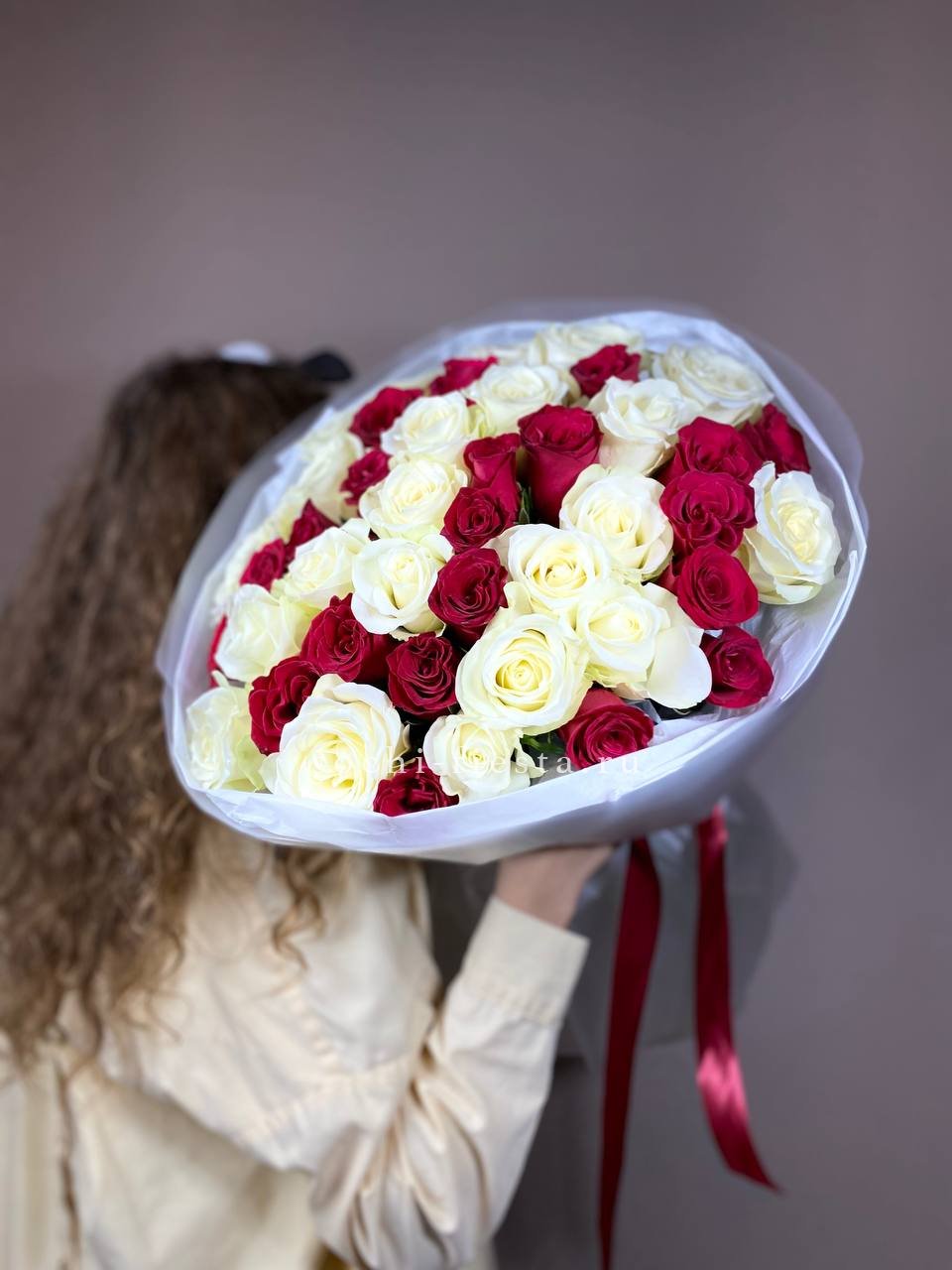
A good many roses are not one colour at all. Some carry a darker rim on each petal, some open cream at the centre and blush outwards, and a few reverse the effect entirely, with the outer face of the petal darker than the inner.
Up close they are the interesting ones.
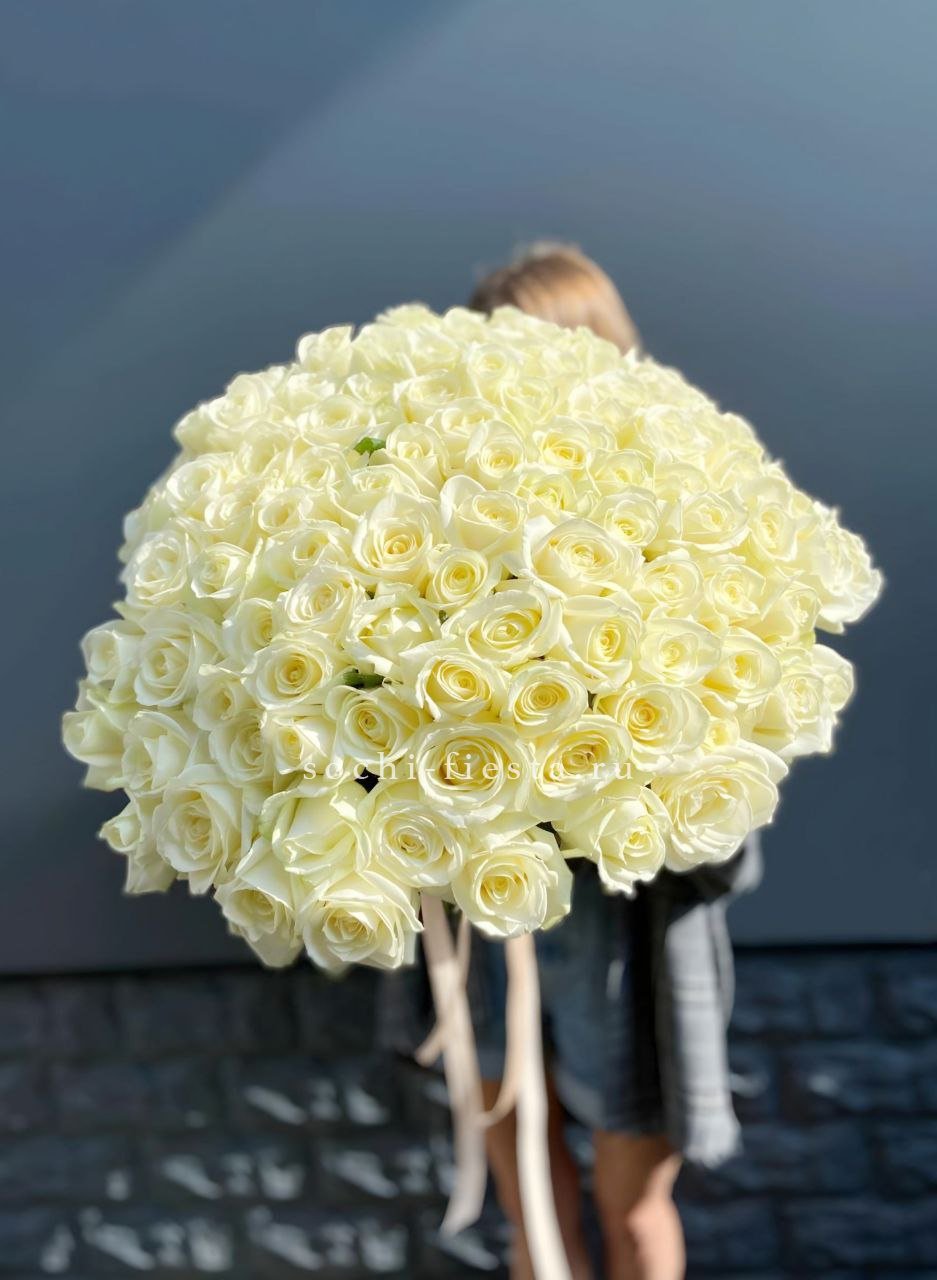
At a distance the same varieties read as one blended, slightly muddy tone, and a bouquet of them loses the crispness a plain shade keeps. That is the whole decision. Buy them for a table where people sit close, and keep flat colour for anything meant to be seen from the far side of a room.

On the island that distinction maps onto the address almost exactly. An Ubud dinner or a villa terrace where guests sit around one table is two-tone territory, while a Jimbaran ceremony seen from rows of chairs wants a shade that holds its edge across the space. Hotel rooms in Nusa Dua sit somewhere between, and we ask what the flowers are standing next to before we decide.
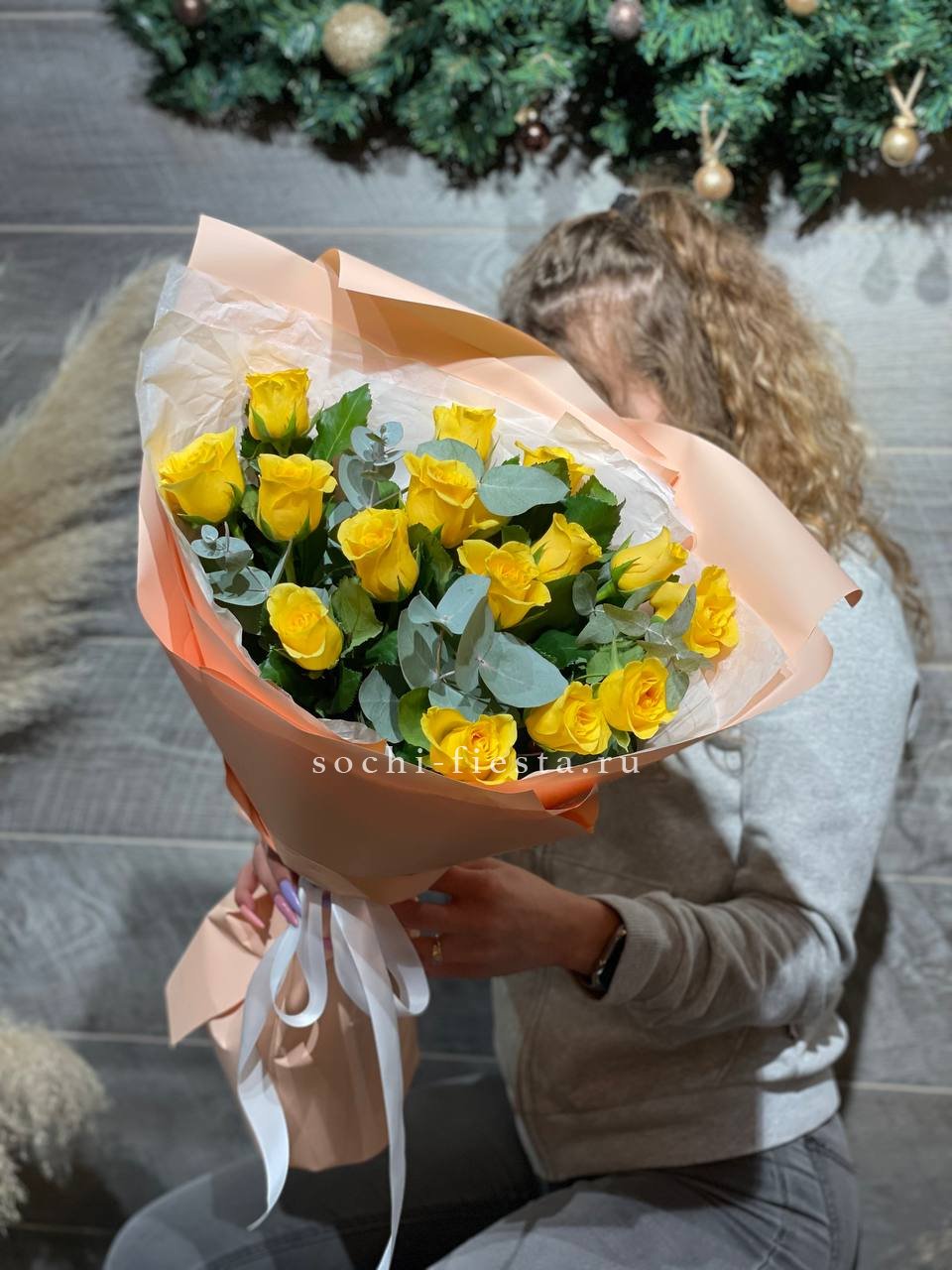
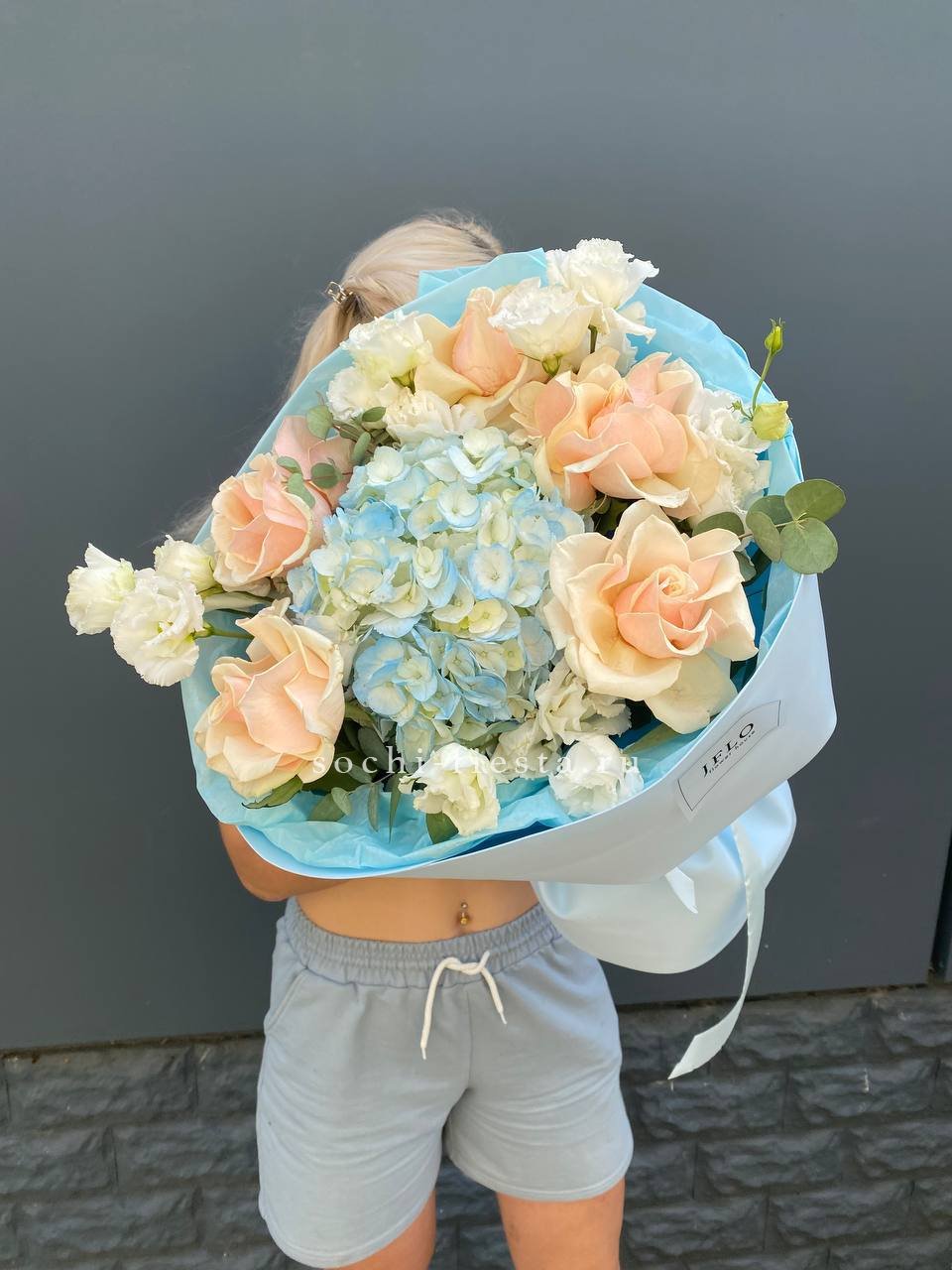
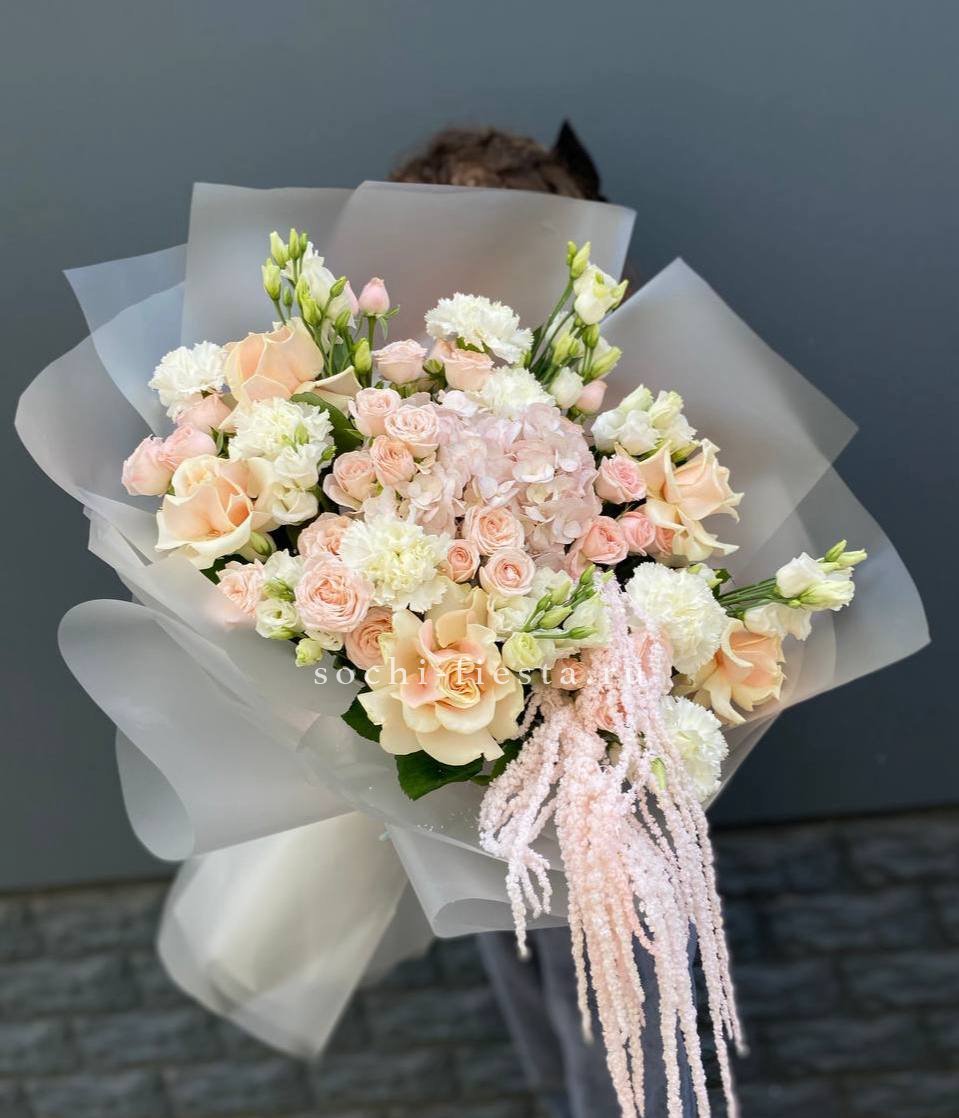
Companion flowers shift the reading again. Macrophylla hydrangea brings a cool block of colour, ranunculus and lisianthus sit lighter, orchids add a tone roses do not have, and tropical foliage darkens everything it borders. A rose matched perfectly on its own can miss once those are standing beside it.
Orders start from 650000 IDR through QRIS, GoPay, OVO, DANA or cash to the courier.
Lead time is the last variable. Seminyak, Canggu and Sanur are 90 to 150 minutes from the workshop and Uluwatu, Tabanan and remote villas up to 3 to 4 hours, but the real wait on a matched colour is the delivery of the variety itself, which is why we ask for a few days on anything tied to an object.
We work from 9 AM to 10 PM. Send the sample, name the direction you would accept if the exact tone is unavailable, and we will tell you what is standing in the cold room before you commit to it.

