


720x720_q85.jpg?v=1787130793)

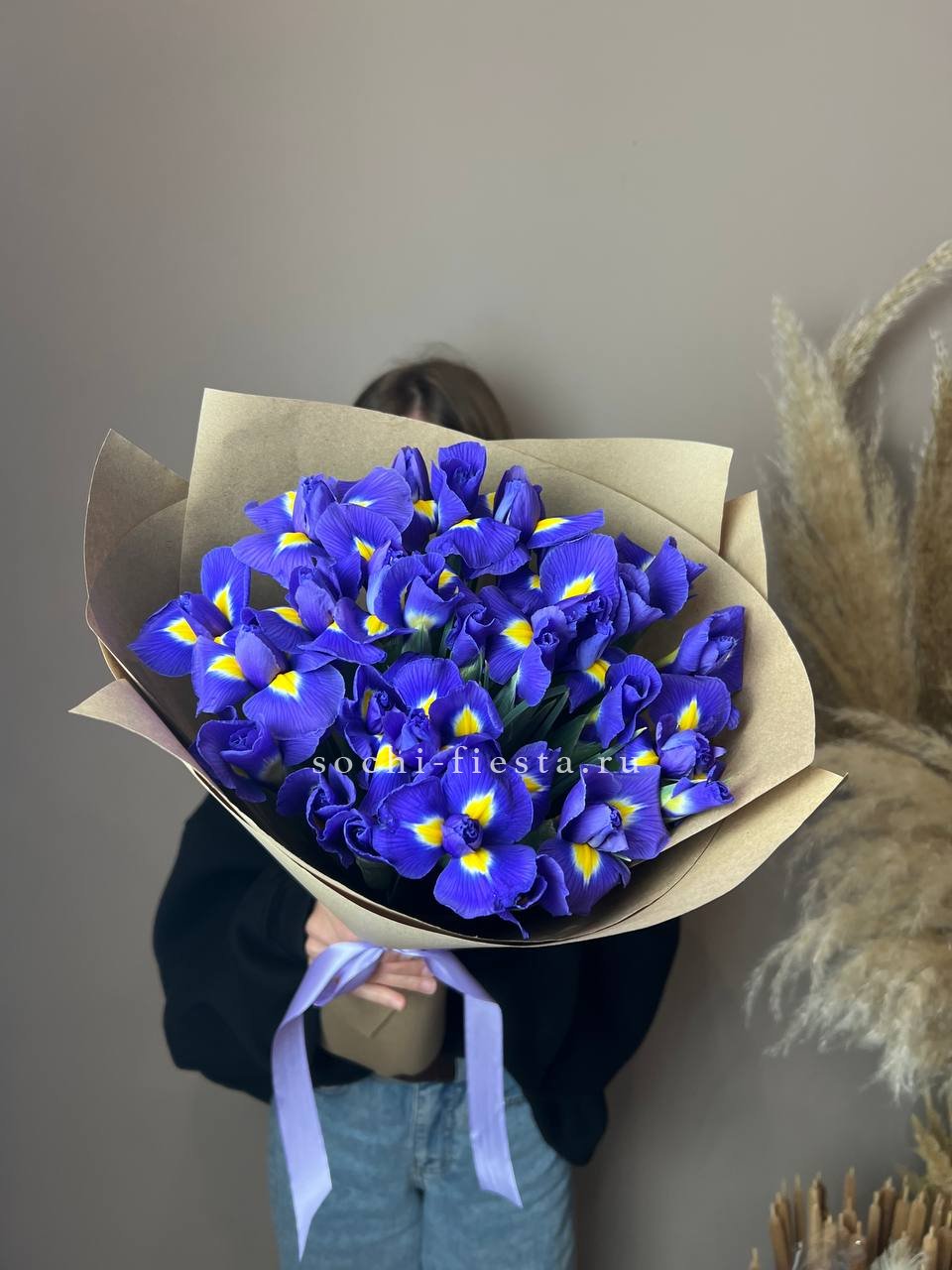
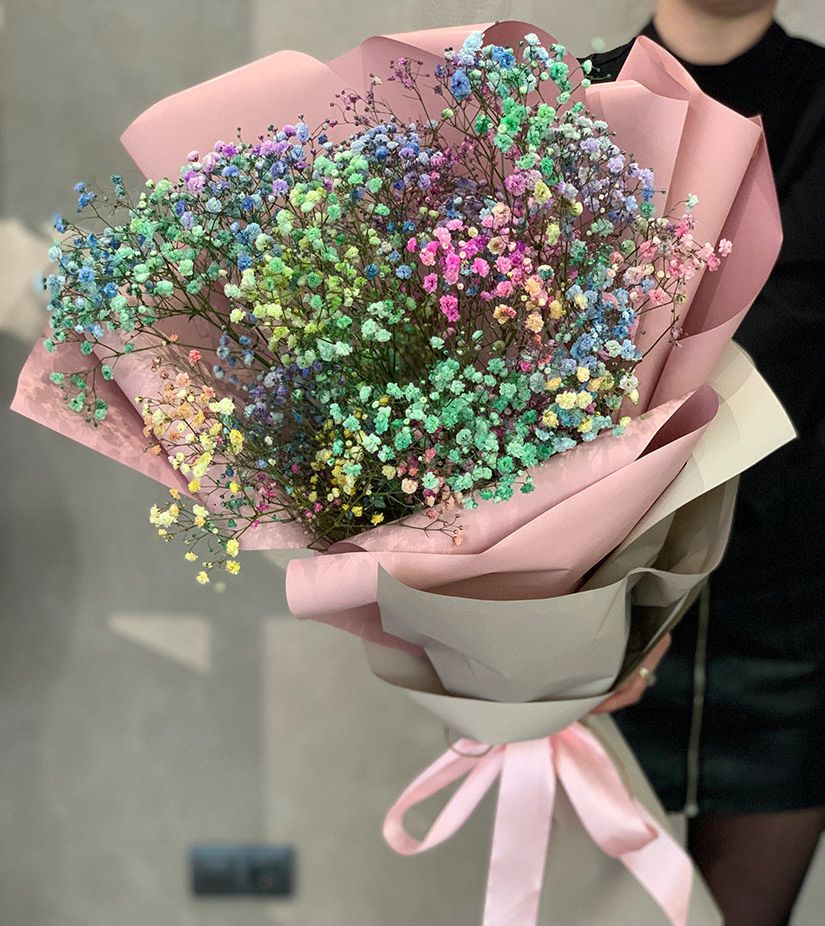
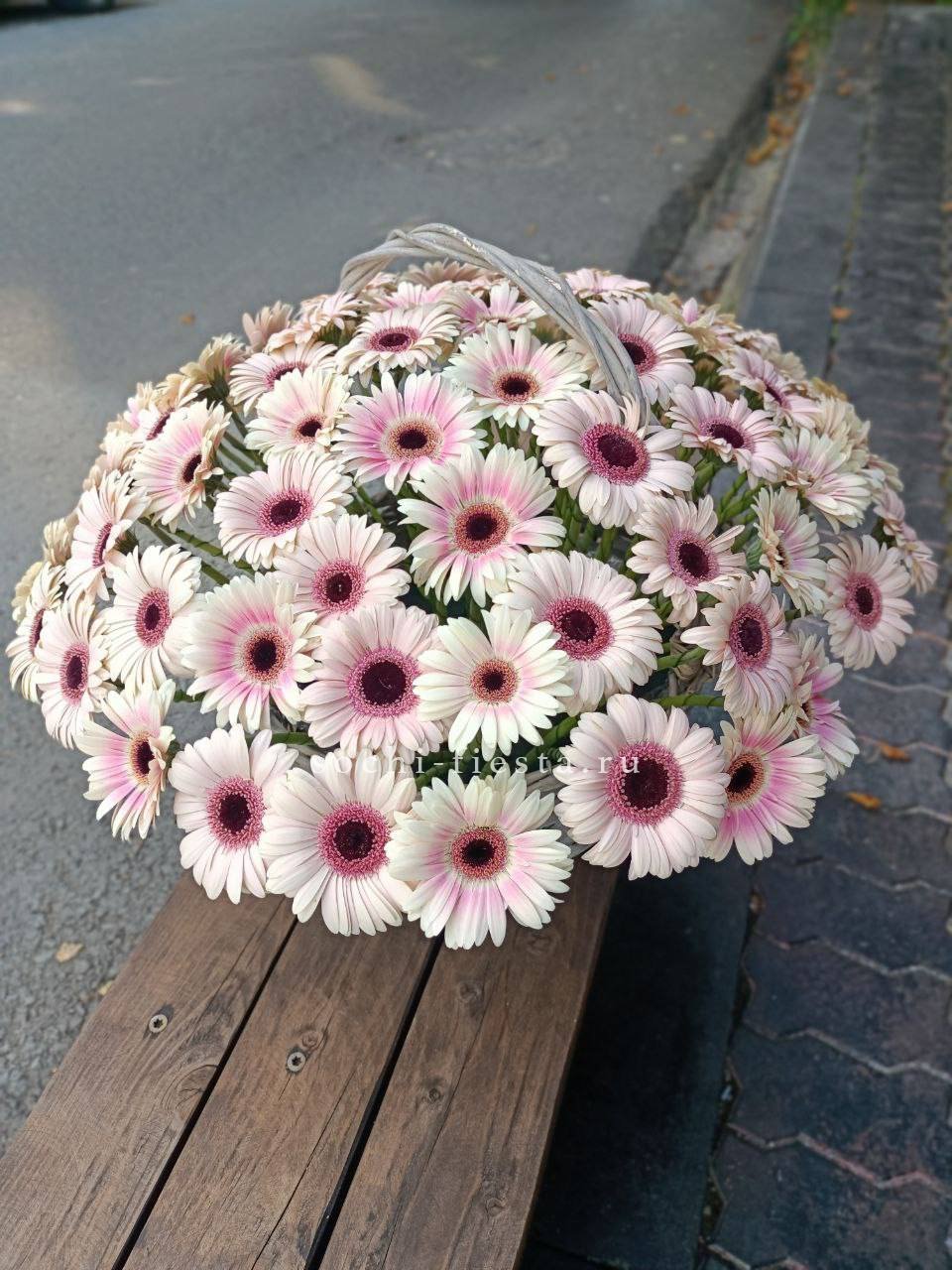
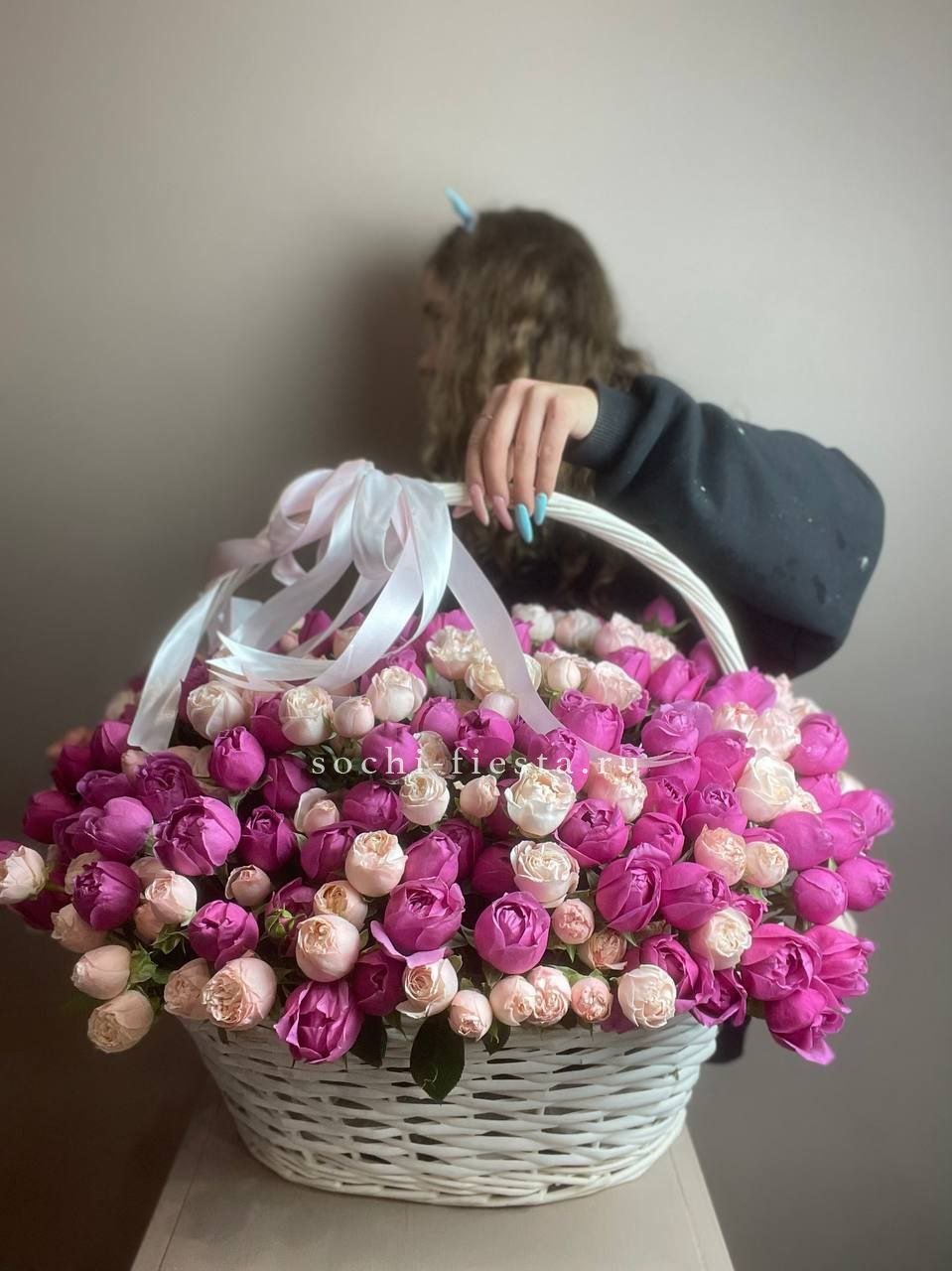
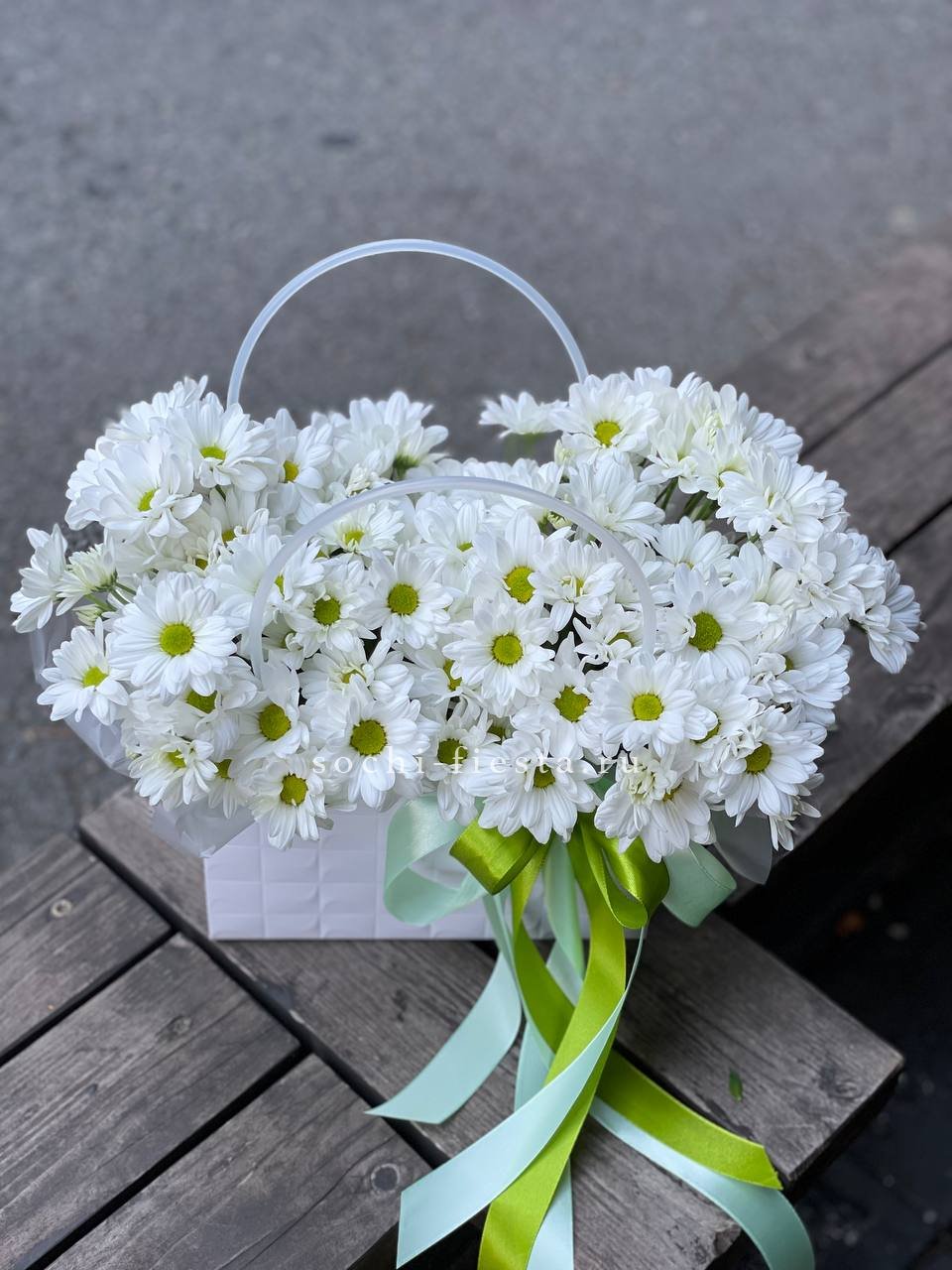
Flower baskets by contents in Bali: texture is the reason to mix at all

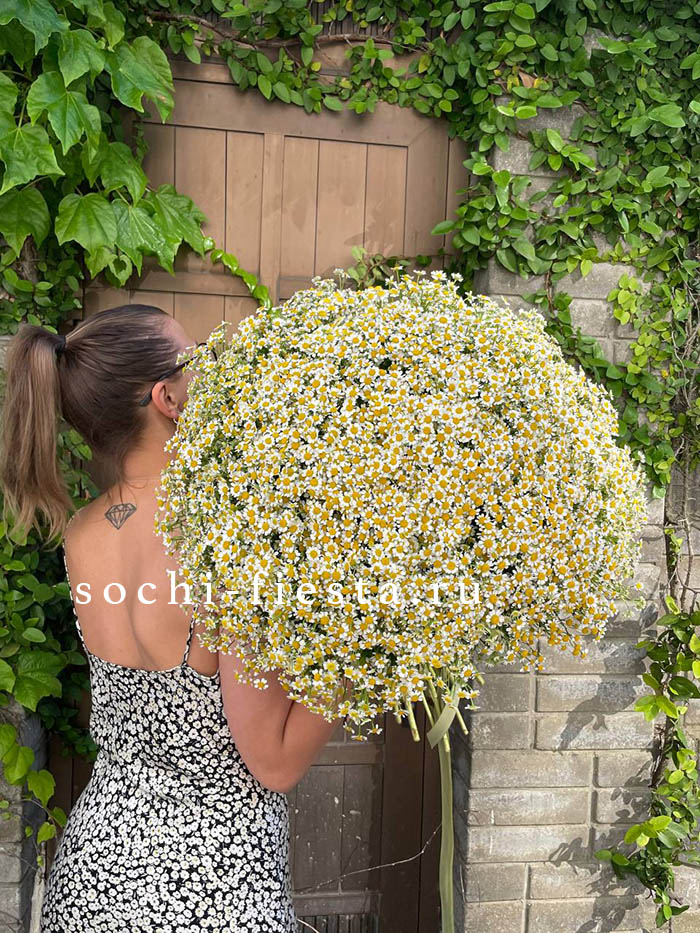
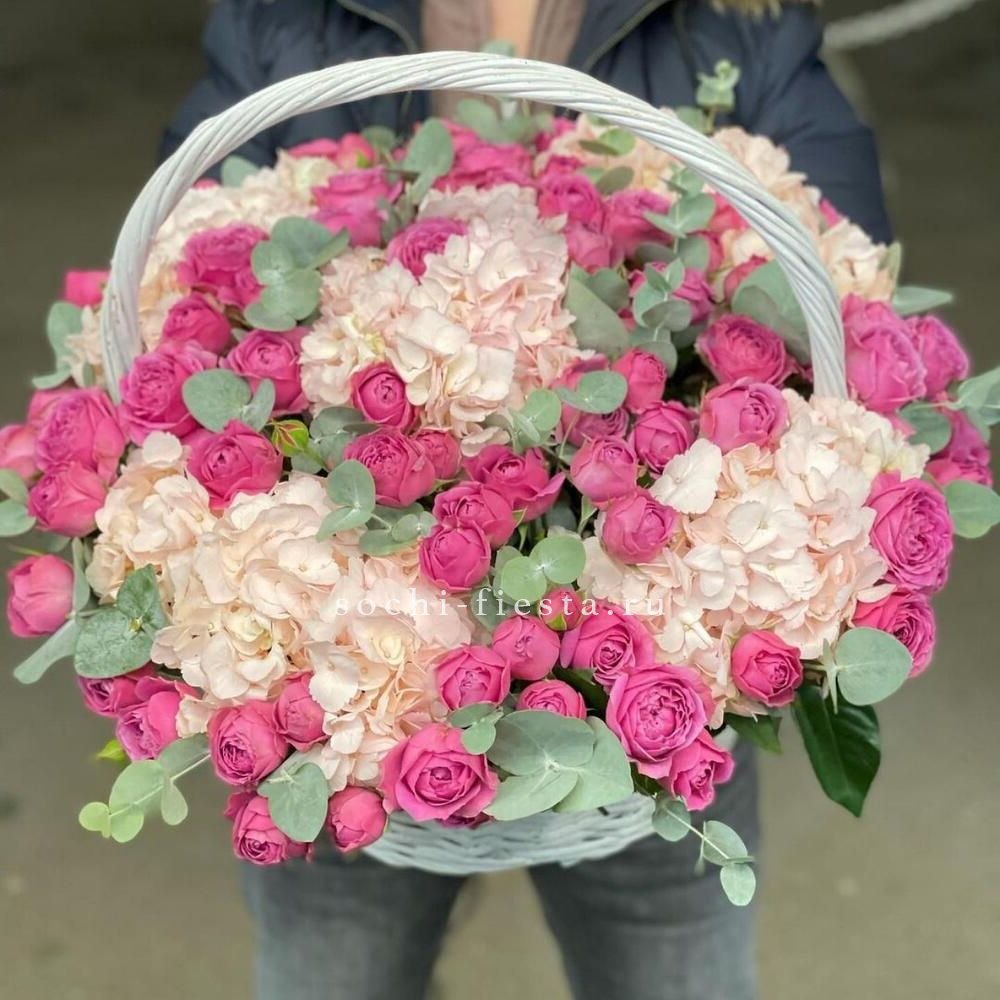
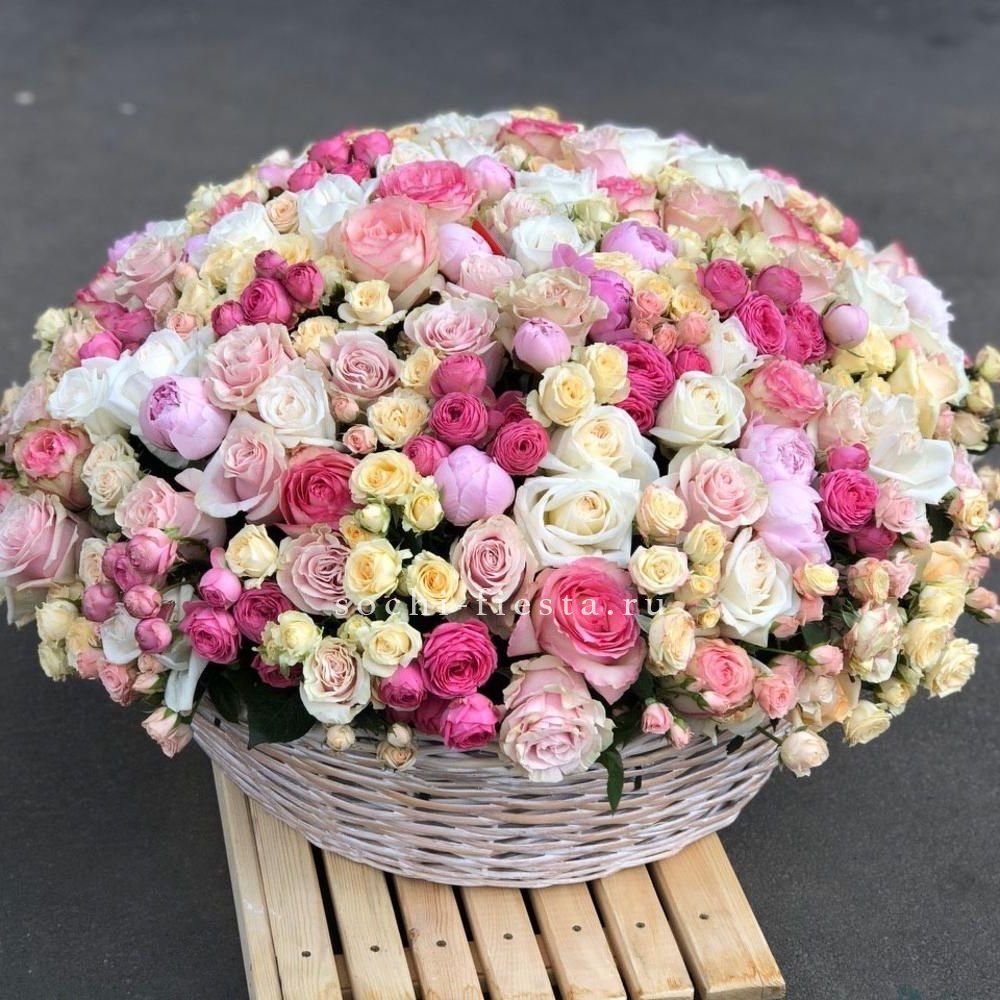
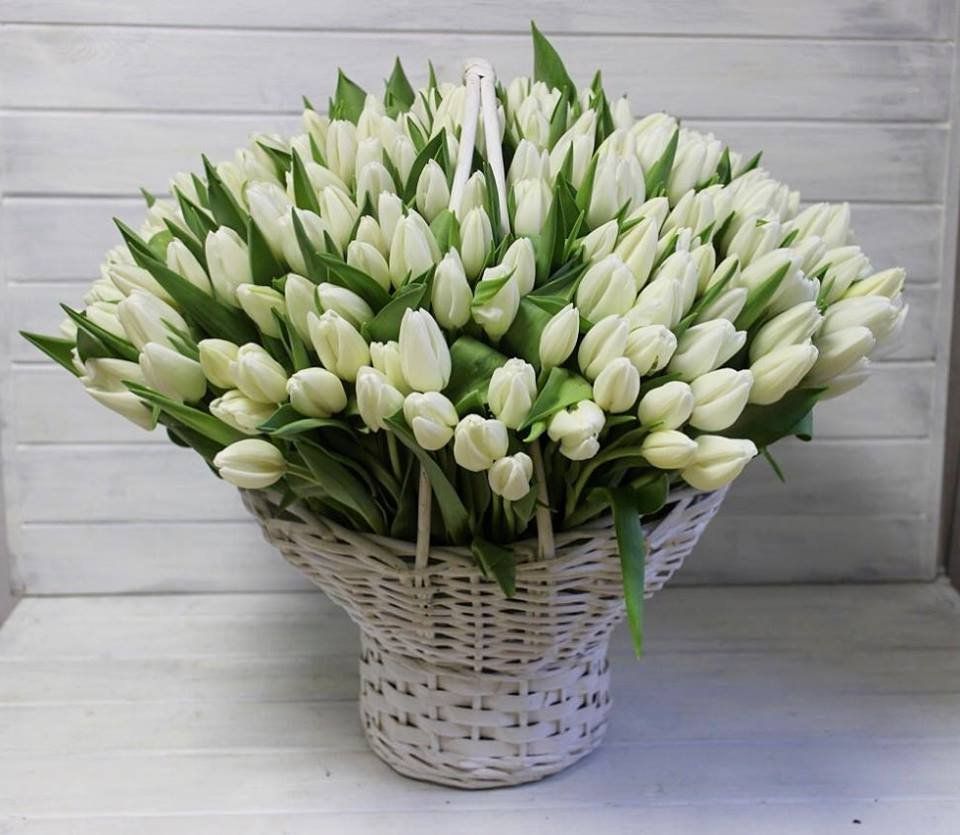
If every head in a basket has the same shape, adding more of them only repeats the same note louder. Difference in form is what a mixed arrangement is for: round heads next to spikes, a flat cluster beside a single open bloom, something standing above the dome while something else spills over the rim and hides the edge of the weave.
That difference is also what makes a basket look considered rather than merely full.
The build follows a fixed order. Sturdy material goes in first and sets the outline, the body is filled behind it, and a handful of lighter stems is kept back for the top so the silhouette does not finish in a flat line. Skip that last step and the arrangement looks cut off, whatever went into it.
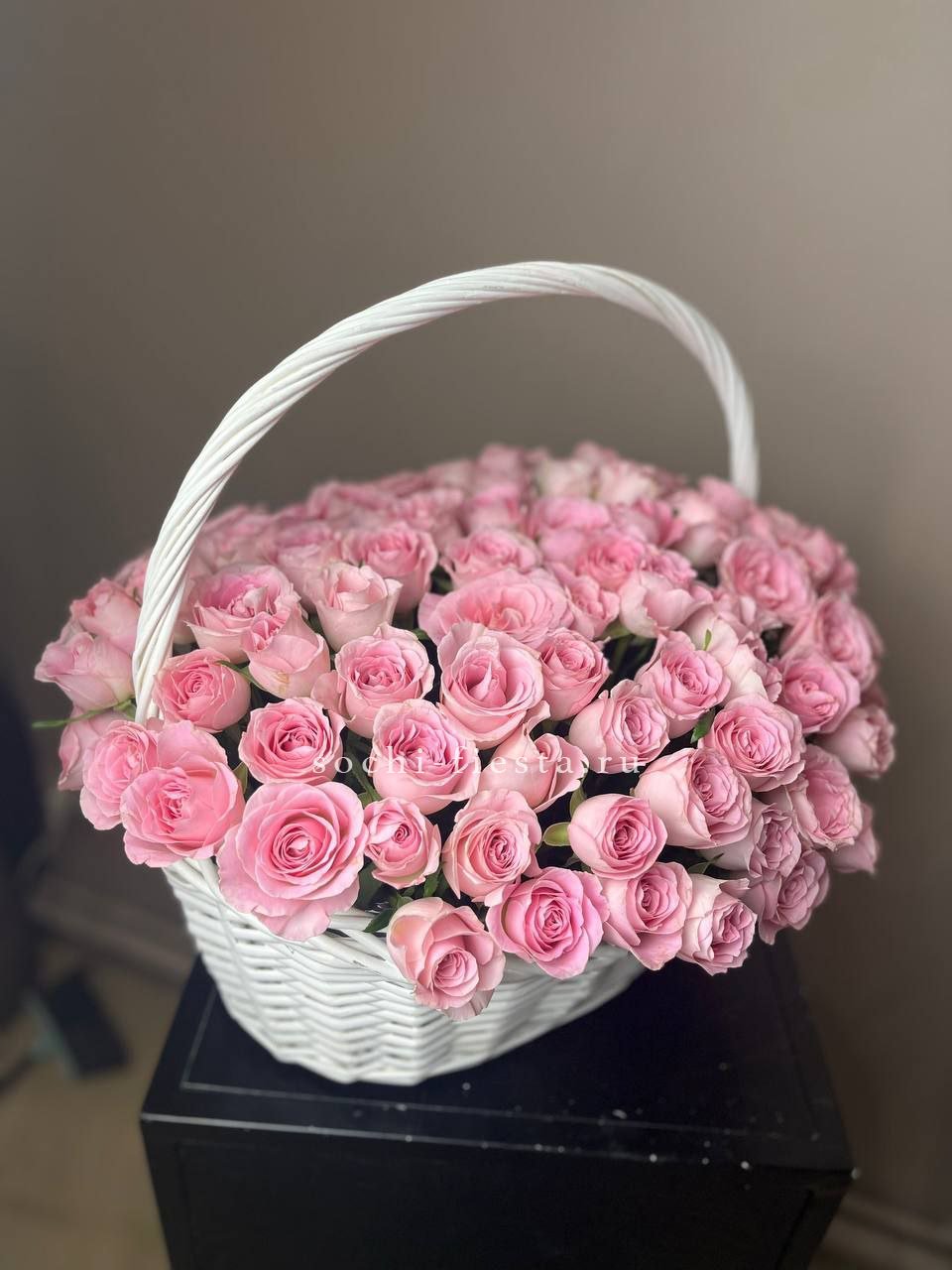
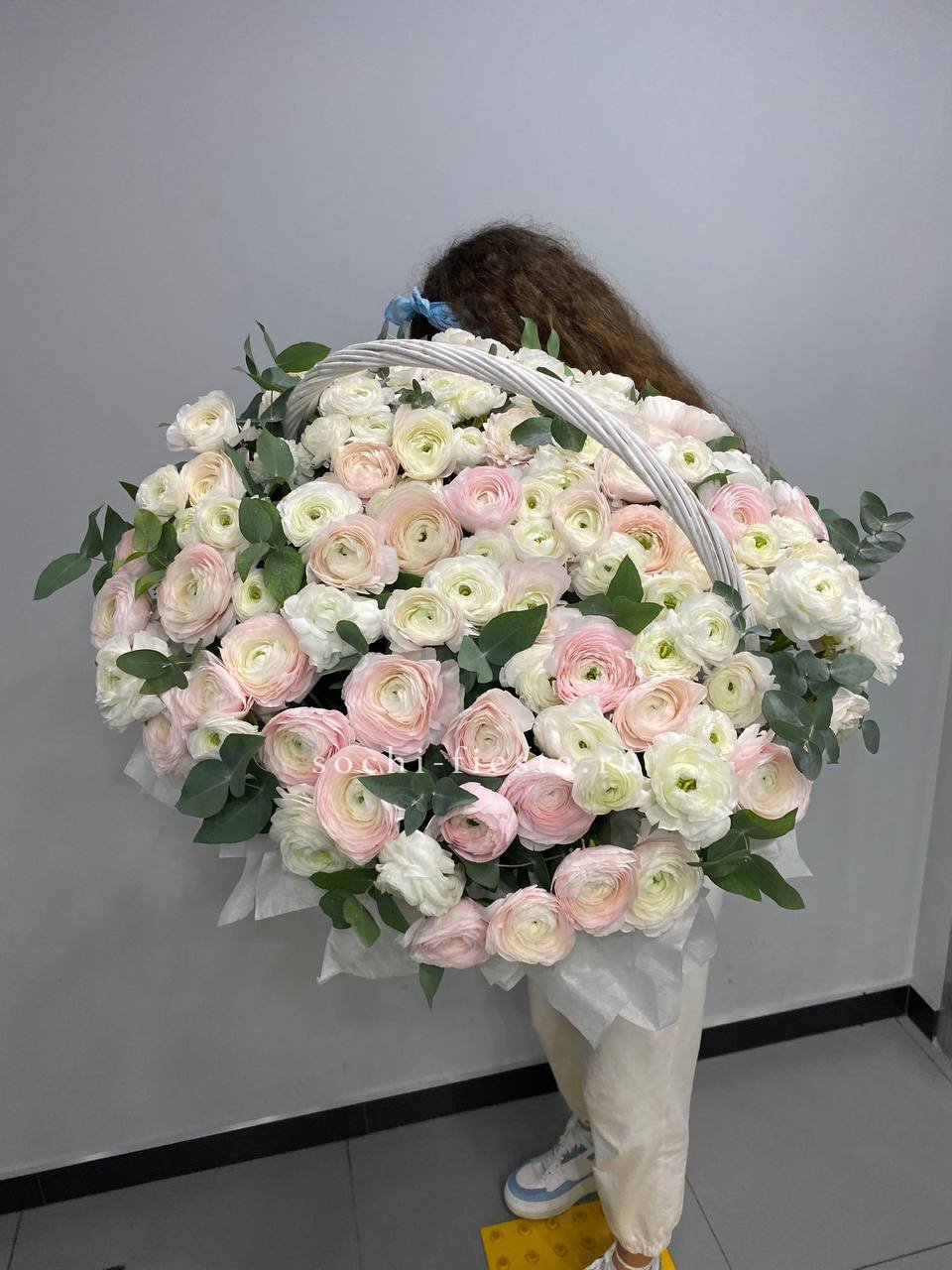
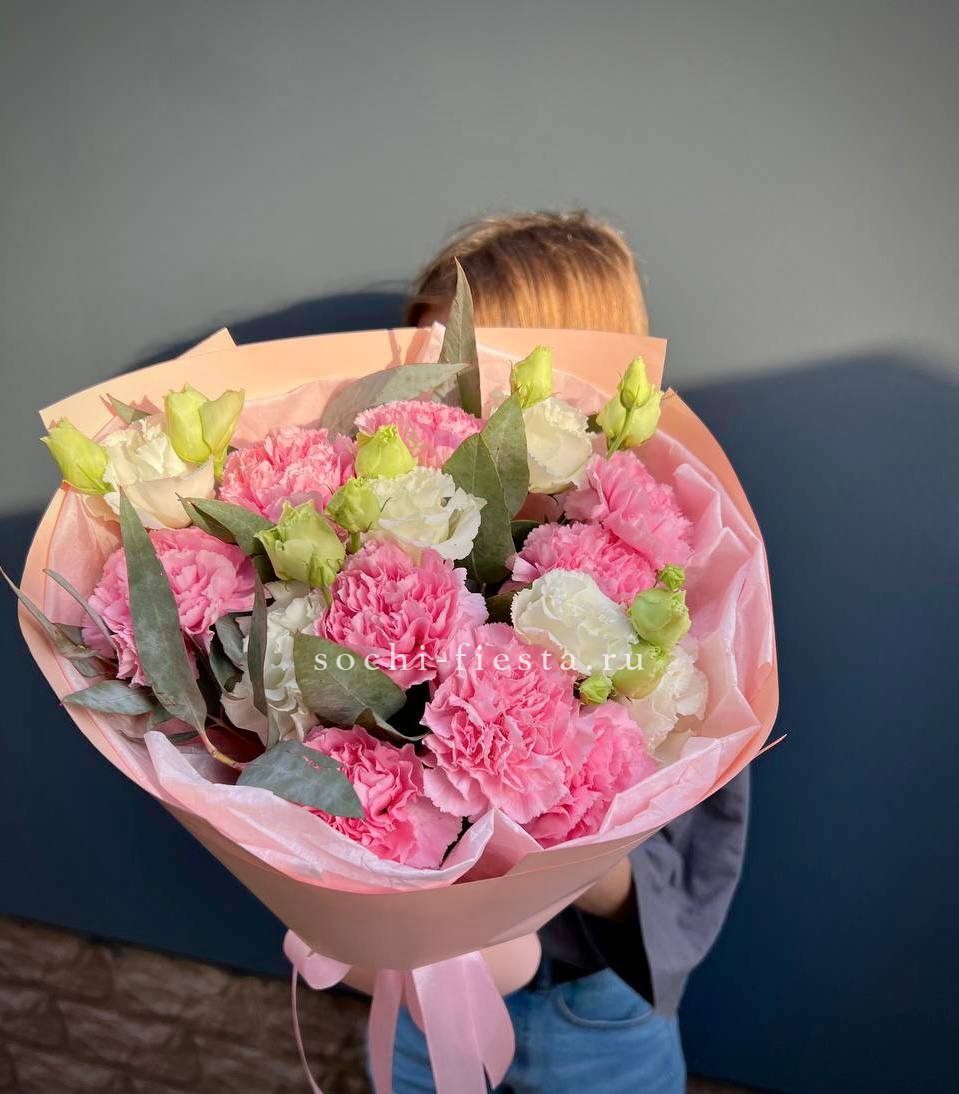
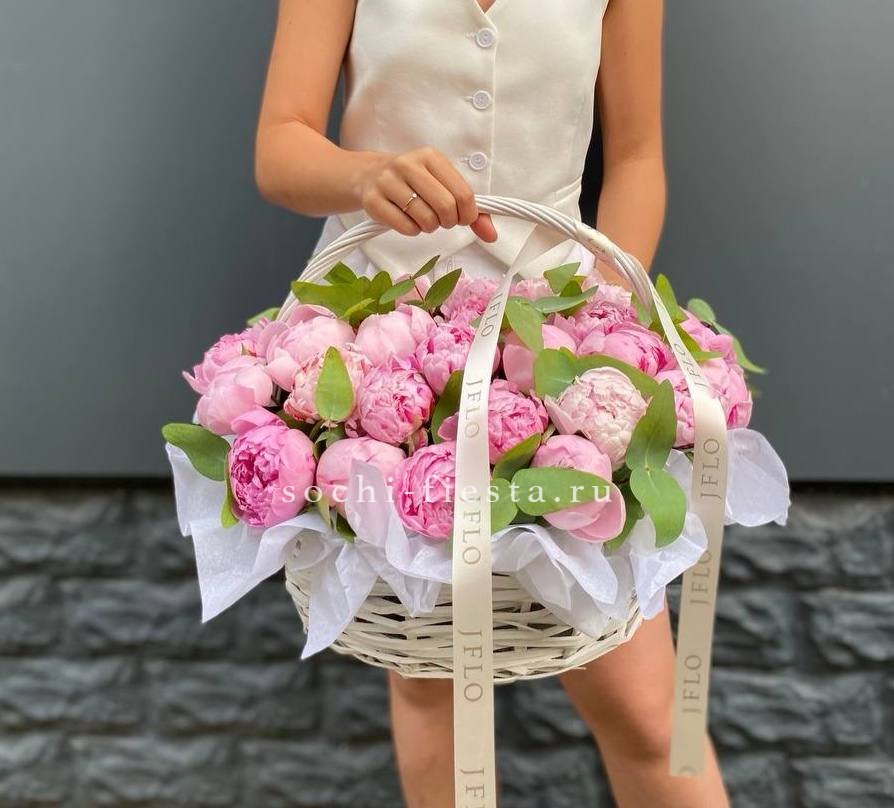
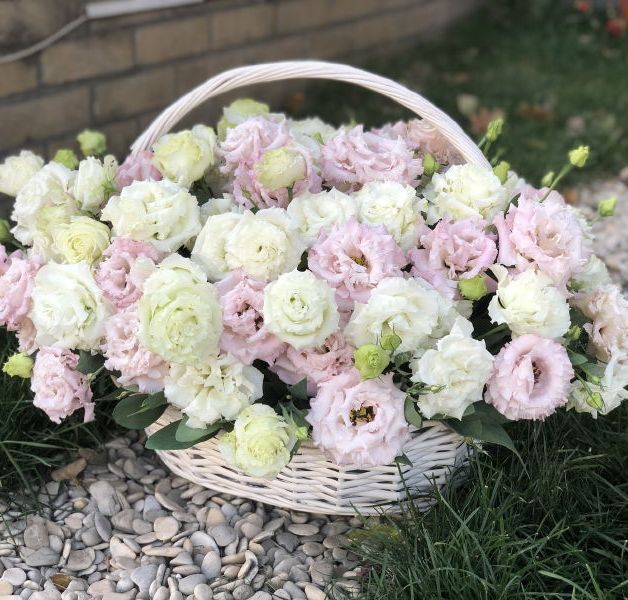
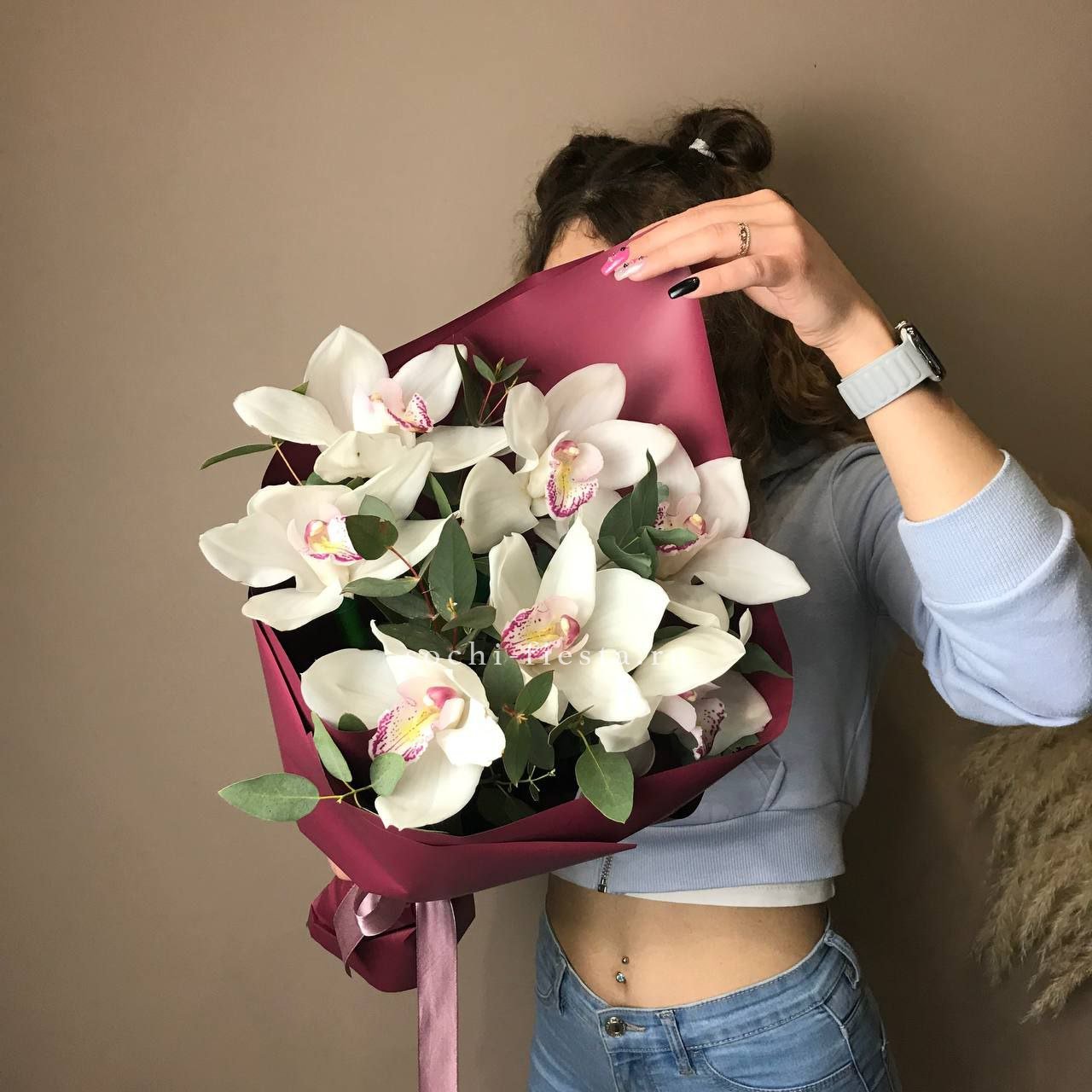
Macrophylla hydrangea is the fastest way to fill volume here, and one head covers ground that would take five roses. Orchids give height and a line the eye can follow. Ranunculus and lisianthus carry the fine detail that only works at close range, while imported roses at 60 to 90 cm give the solid block of colour underneath everything else. Ecuadorian stems up to 120 cm go into the tall work, where the length is the point.
"A basket that is only full looks like a shop display. What makes it look made is one thing standing above the dome and one thing hanging over the rim."
— JFLOO florist
Tropical foliage earns its place
Foliage is cheap in visual weight and expensive in effect, and there is more of it in a basket than in a bouquet of the same size because it holds the frame. It also outlasts every fresh stem in the arrangement, so a mix built with a generous green structure keeps looking like something long after the softer material has finished.
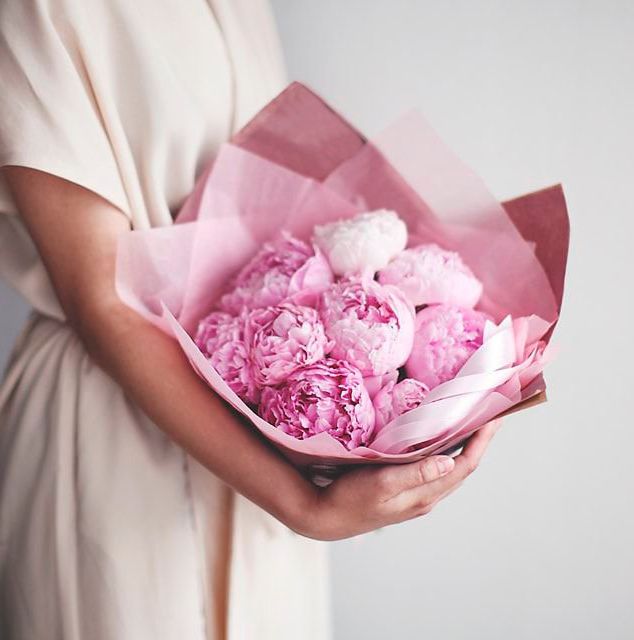
Seasonal peonies are the opposite kind of ingredient. They are the reason people order a particular basket, they photograph better than anything beside them, and they are usually the first thing to go over. We set them where they can be lifted out later without leaving a hole.
What the island does to the mix
Two seasons run here, the drier one roughly from April to October and the rain from November to March, and both are humid. Above 30 °C we wrap firmly and add a cooling element for the journey, which protects the trip rather than the following week.

Humidity speeds up opening. A basket meant for a dinner in Ubud in three days is built tighter than one going out this afternoon, because the difference between those two builds is about two days of opening in a warm room.
Orders start from 650000 IDR. Villas take most of what we send, and an open terrace is a harder posting than any air conditioned room: night air, moisture and morning sun between them take the fine material first, which is the argument for orchids and a strong green structure at those addresses.
Delivery reaches Seminyak, Canggu and Sanur in 90 to 150 minutes. Uluwatu, Tabanan and the remote villas take up to 3 to 4 hours, and a basket sitting in a van for that long finishes the trip warmer than it started, so the contents for those routes are chosen with the drive in mind rather than adjusted afterwards.
Nusa Dua hotels, the wedding venues around Jimbaran and the resort addresses in Seminyak and Canggu all read the arrangement from a few metres, which pushes the mix towards contrast and away from fine detail. Flower baskets by contents in Bali are worth ordering with the destination named, and we deliver from 9 AM to 10 PM with payment by QRIS, GoPay, OVO, DANA or cash to the courier.

