
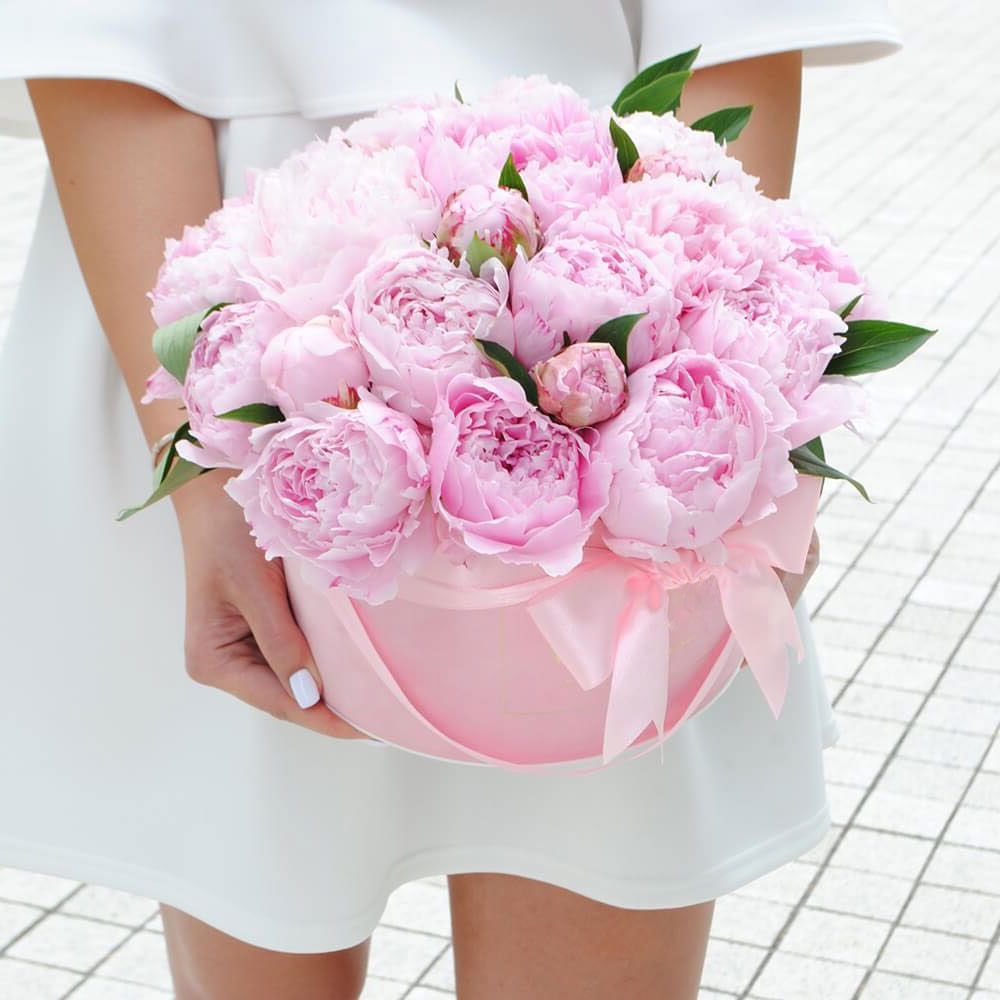


Peonies by colour in Bali: choosing a shade for the room it lands in

Colour is the first thing anyone decides and the last thing anyone thinks through. A shade that looks decisive on a screen behaves differently in a dim hallway, against a white wall, or in a photograph taken with the shutters closed. Start with where the flowers will actually sit.
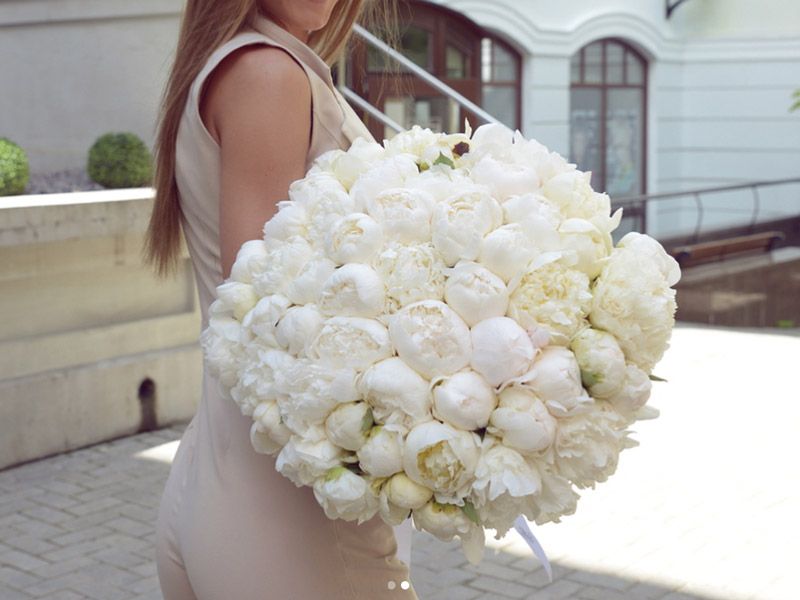
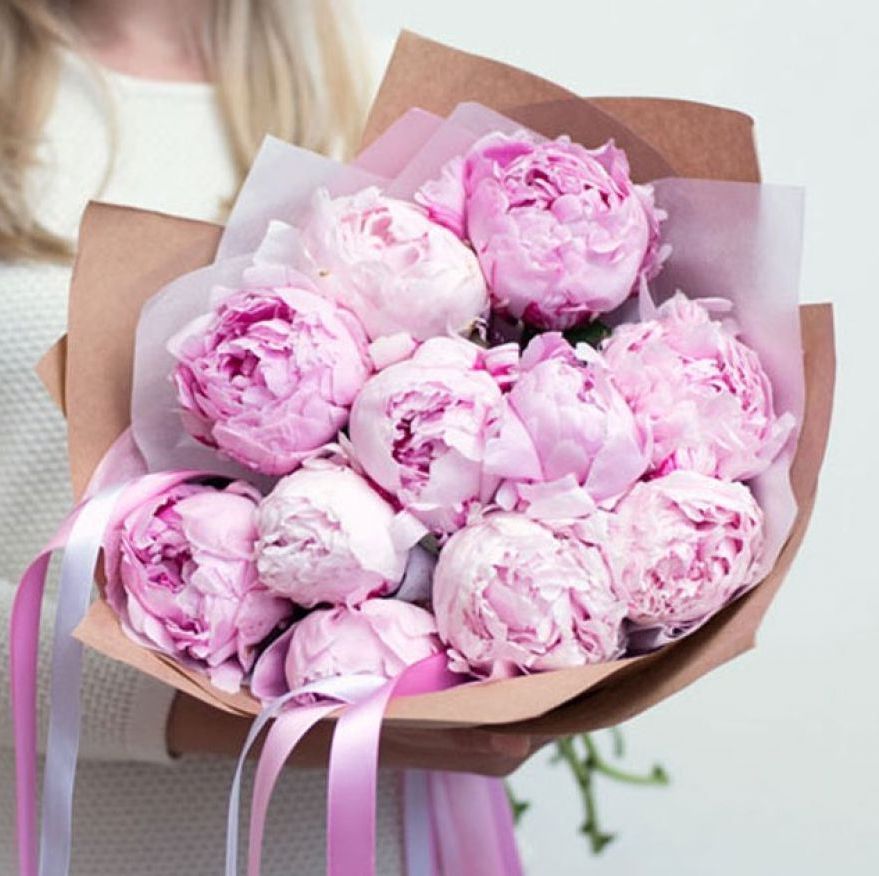
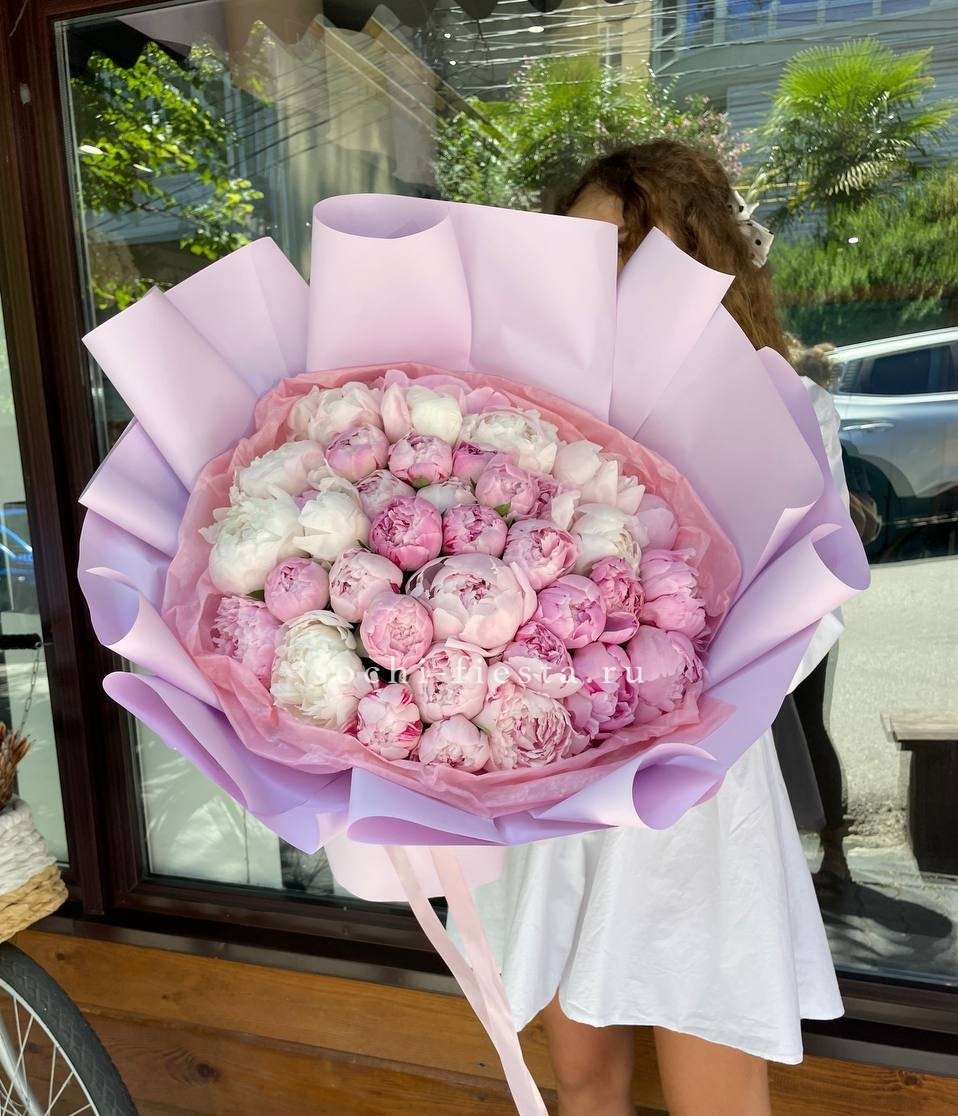
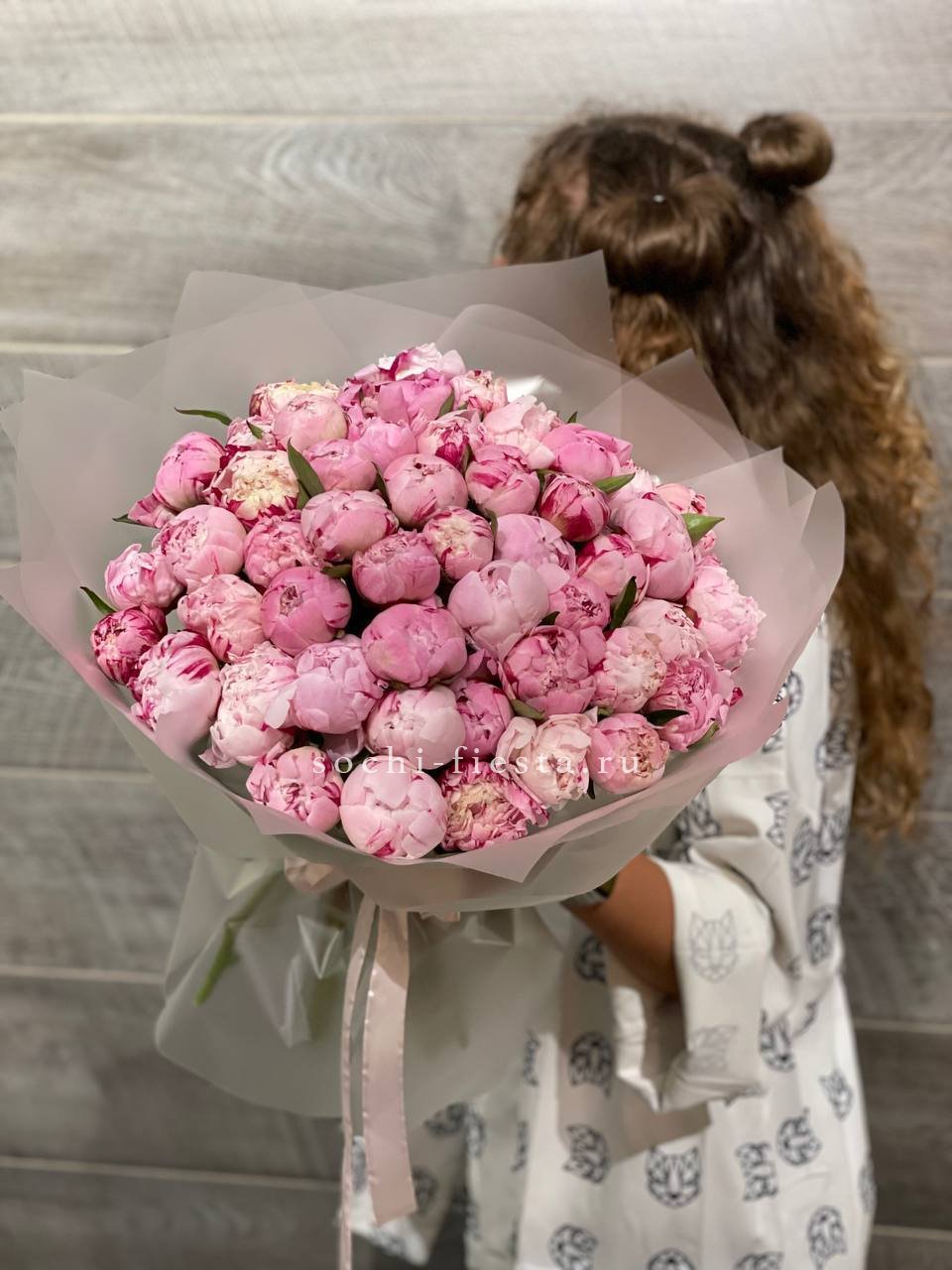
Pale peonies, the whites and the powder pinks, disappear against a light wall and come alive against dark paint, wood or glass. Deep pink and crimson hold their own anywhere and tend to become the only colour in the room. Coral sits between the two and is the shade people either take to at once or struggle to place, since it argues with warm terracotta and with most reds. Which of those a room offers is worth asking before the order goes in.
Photographs reverse some of that. A dark red head loses its structure on camera and reads as a black shape unless the light is very good.
Cameras and rooms disagree about colour.
White and cream keep their petal edges even in poor light, which is why they dominate wedding work and most of the images used to sell these flowers. If the bouquet is going to be photographed by the person receiving it, and on a holiday island most of them are, the pale end of the range flatters them more. Deep colours reward being seen in person. That difference is real and has nothing to do with taste. It is also the most useful thing to settle before choosing a shade.
Where the flowers land here
Four kinds of address cover most of what we deliver. Each of them pushes the choice a different way:
- An ocean villa. Dark interiors and plenty of daylight, which is where white and cream do their best work.
- A hotel room in Nusa Dua. Pale walls, so deep pink or crimson stops the bouquet vanishing into the bedding.
- A wedding venue in Jimbaran. White and ivory carry the formal end and photograph in whatever light the afternoon gives.
- A dinner in Ubud, usually indoors and usually under warm lamps. Warm light pulls every shade towards ochre and flattens the difference between white and cream, so a bouquet built entirely from pale neighbours turns into one indistinct colour after sunset.
That last point catches people out more than the others. A mix of cream and blush that looked layered at midday reads as a single beige mass by nine in the evening. One noticeably darker stem fixes it without changing the character of the bunch.

Seasonal peonies arrive in batches, so the shades available in a given week are whatever came in. Macrophylla hydrangea, lisianthus and ranunculus fill the gaps, and they cover the cooler end that the peony range never reaches.
Delivery runs 90 to 150 minutes for Seminyak, Canggu and Sanur, and up to 3 to 4 hours for Uluwatu, Tabanan and remote villas. We work 9 AM to 10 PM, orders start at 650000 IDR, and payment goes through QRIS, GoPay, OVO, DANA or cash to the courier. Pale petals show every mark, so on the long routes we lean towards the darker end. A thumbprint, or a drop of water caught between petals, turns brown within a day.
Above 30 °C in high humidity we wrap firmly and add a cooling element for the road. Heat also speeds the colour shift, since almost every variety lightens as it opens. A warm room can push a bunch through its best colour in a single day.
"I ask two questions before anyone chooses a colour. What are the walls like, and is somebody going to photograph it."
— JFLOO florist
Peonies by colour in Bali are worth deciding a few days ahead, because the batch sets what is possible. Tell us the room, the light and the date the colour has to be right. We will name what is on the bench and what is expected before then. If the answer is a pale room and a camera, we will say so plainly.

